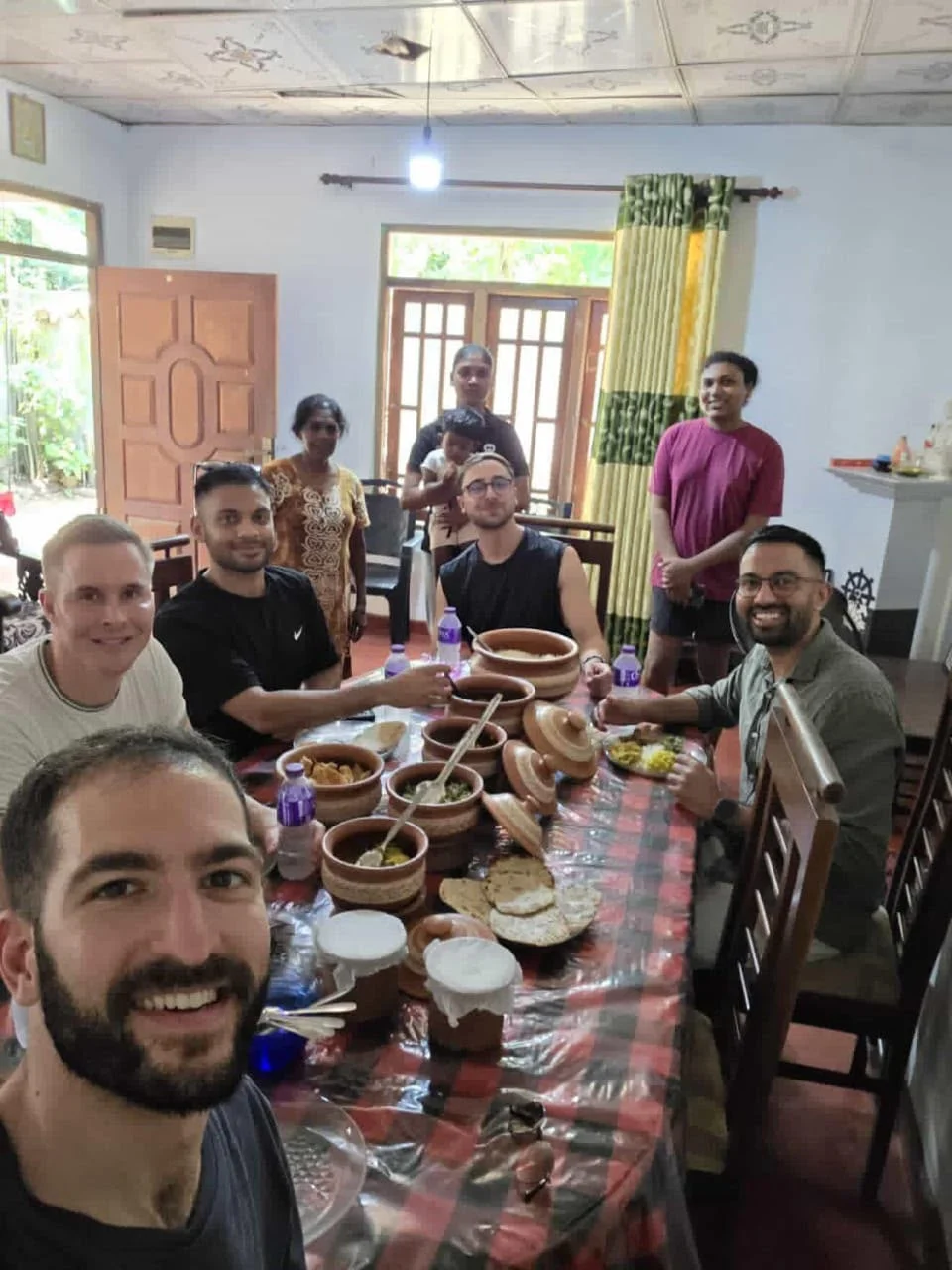
Sri Lanka food tour: what to eat, where, and in what order
A Sri Lanka food tour works best over three to five days in one region. Hoppers, kottu, short eats and how the food changes across the island.

A Sri Lanka food tour works best over three to five days in one region. Hoppers, kottu, short eats and how the food changes across the island.
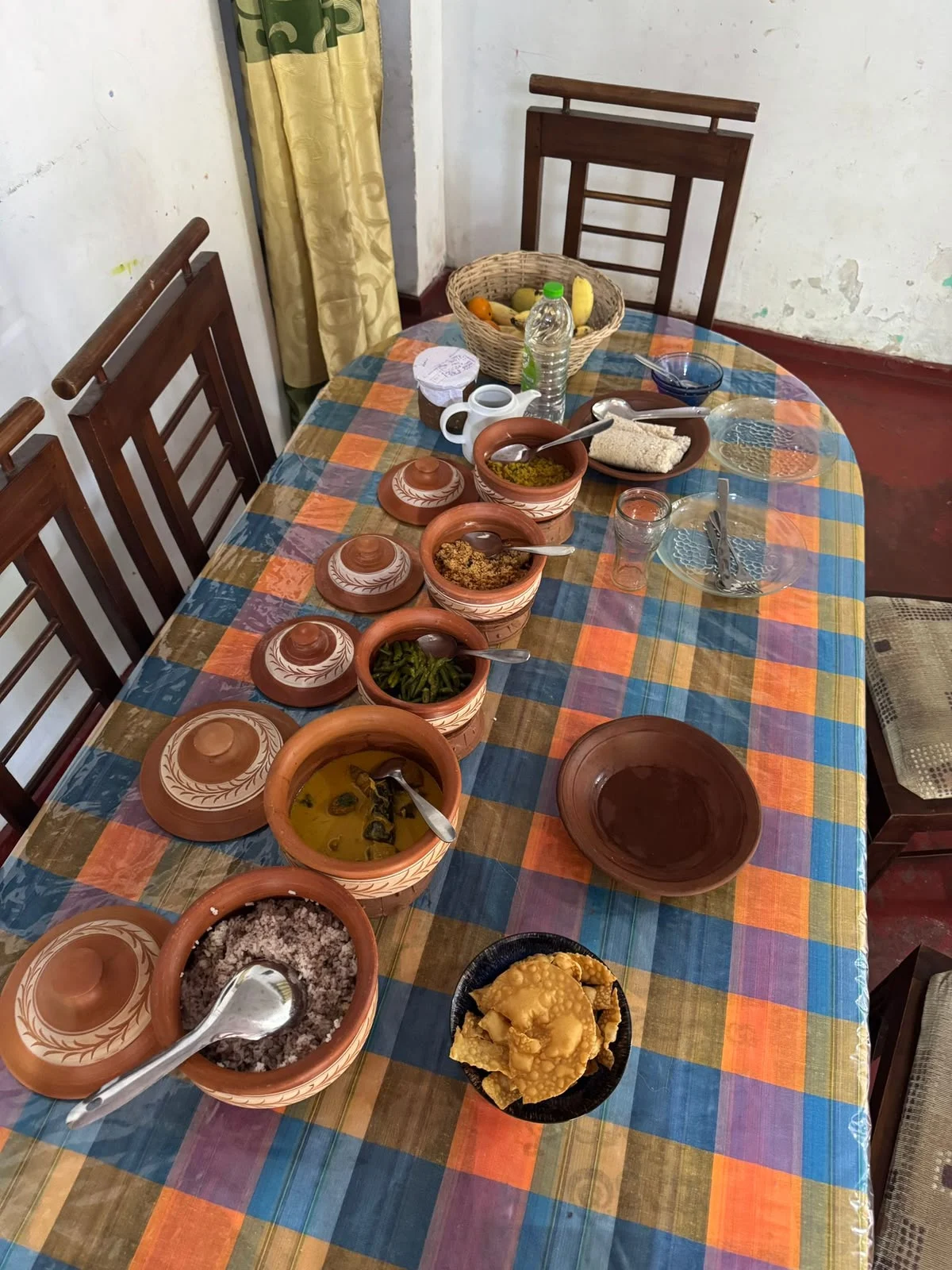
Rice and curry is not one dish but six or seven around a plate of rice. What each part does, the two coconut milks, and why timing is the real lesson.
A seafood cooking class in Galle should begin at the morning market. What to learn, why ambul thiyal matters, and how to spot a class worth booking.
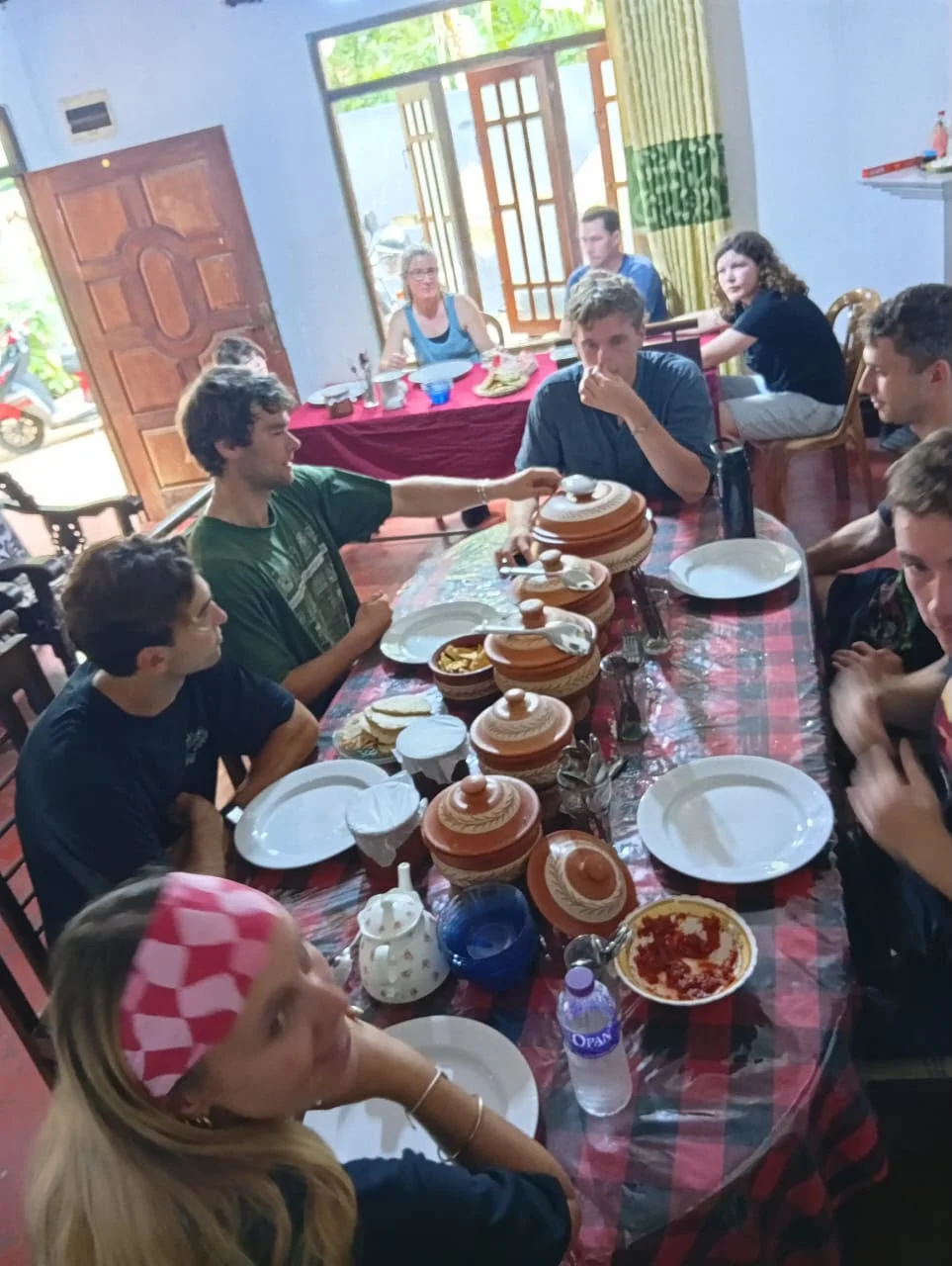
Sri Lanka is straightforward for halal travellers. Most village cooking already qualifies, and Moor households will teach you buriyani and watalappan.
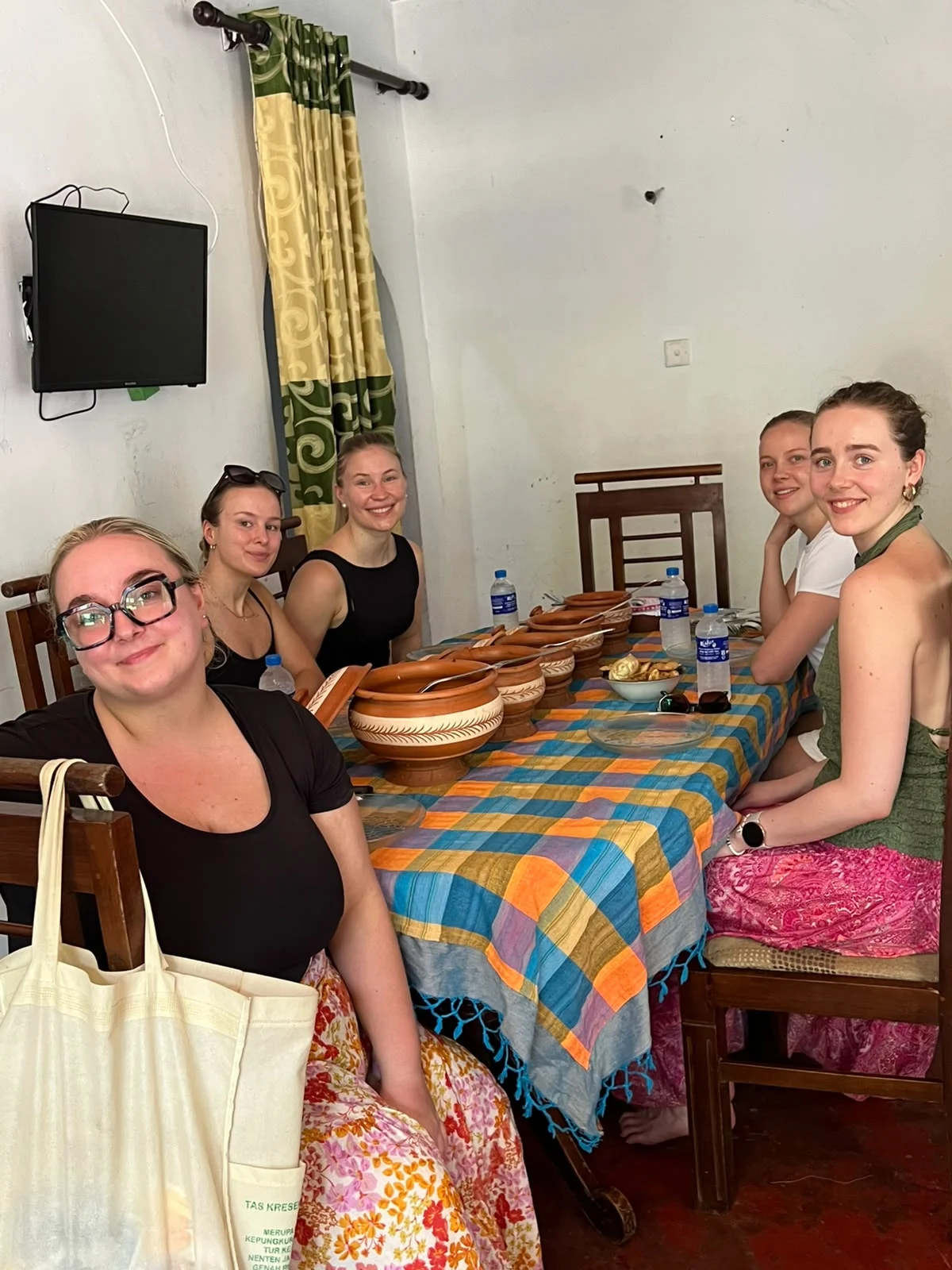
A private cooking class in Sri Lanka buys you the pot, not privacy. When the extra cost is worth it, when a group class is better, and what to ask for.
A couples cooking class in Sri Lanka means wood fires, hand-scraped coconut and ten curries at once. Here is what a village kitchen session is really like.
A family friendly cooking class in Sri Lanka gives children coconut to scrape, roti to shape and a garden to raid. Here is how it works with kids in tow.
A vegetarian cooking class in Sri Lanka is not a modified menu. Jackfruit, dhal and coconut milk are everyday cooking here. What to book and what to ask.
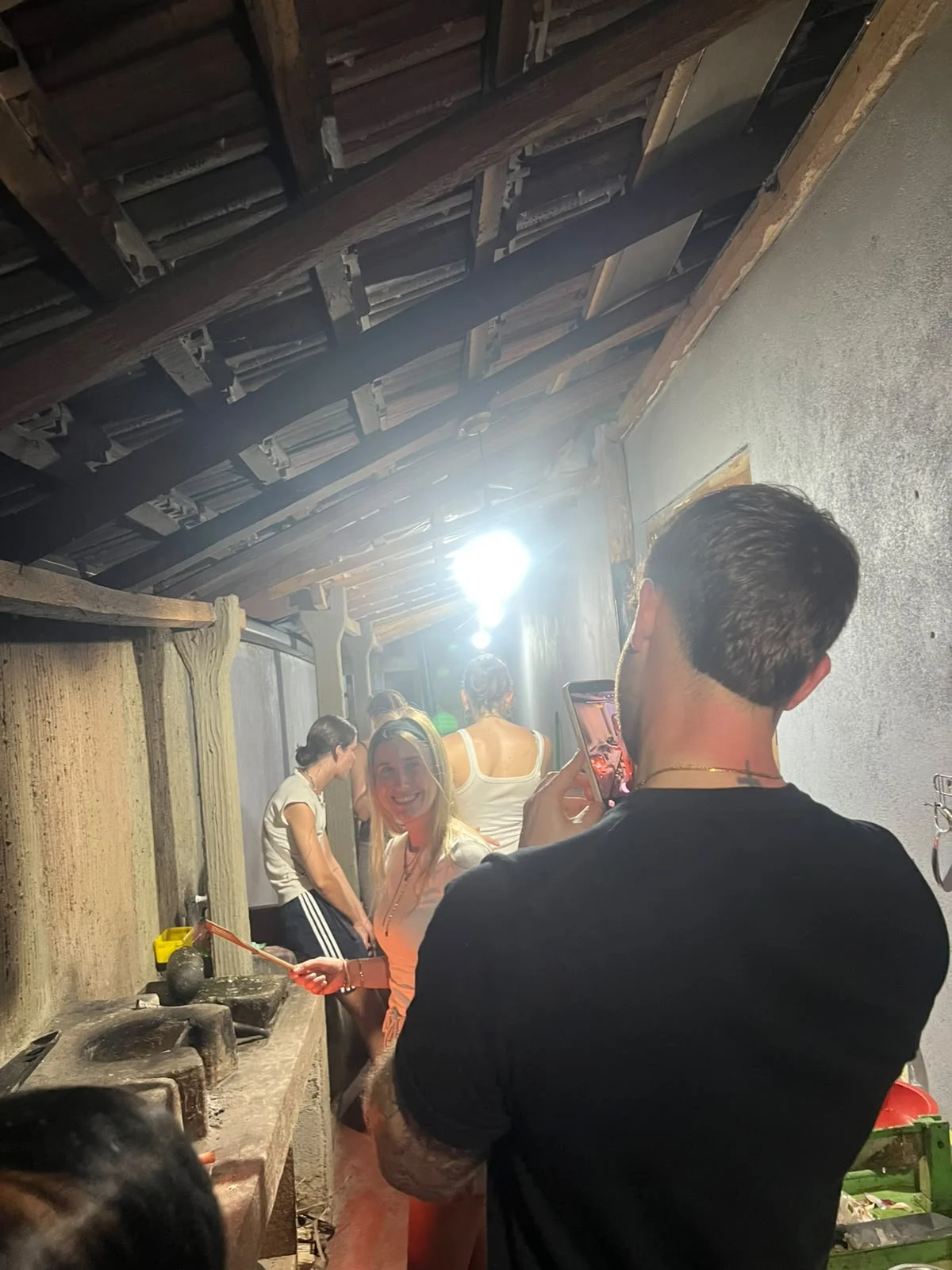
An authentic cooking experience runs in a working family kitchen, not a demonstration room. How to tell the difference before you book, and why it matters.
Cooking with a Sri Lankan family means less instruction and more watching hands. What actually happens, what to pay, and the etiquette nobody explains.

