Key takeaways
- A private cooking class in Sri Lanka costs roughly two to three times the group rate per person, and the value is in pace rather than exclusivity.
- It is worth paying for if you have dietary restrictions, young children, limited time, or you actually want to cook rather than watch.
- In a private session you choose the menu. Group classes cook a fixed list decided by the household.
- Book at least two days ahead. The family has to shop for you specifically.
- Solo travellers often get better value from a group class, because half the pleasure is the other people at the table.
What you are actually paying for
Not privacy. You are paying for the pot.
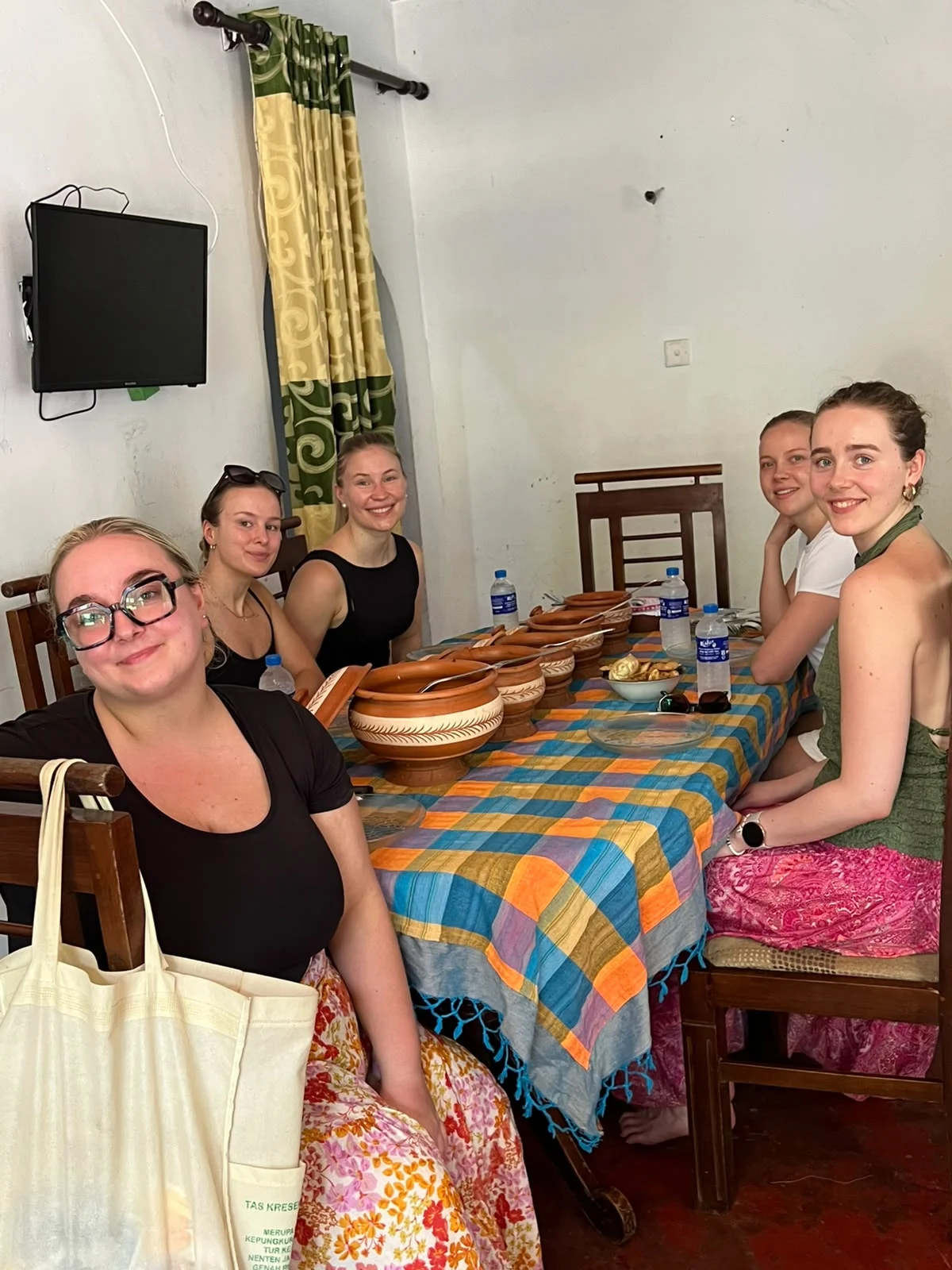
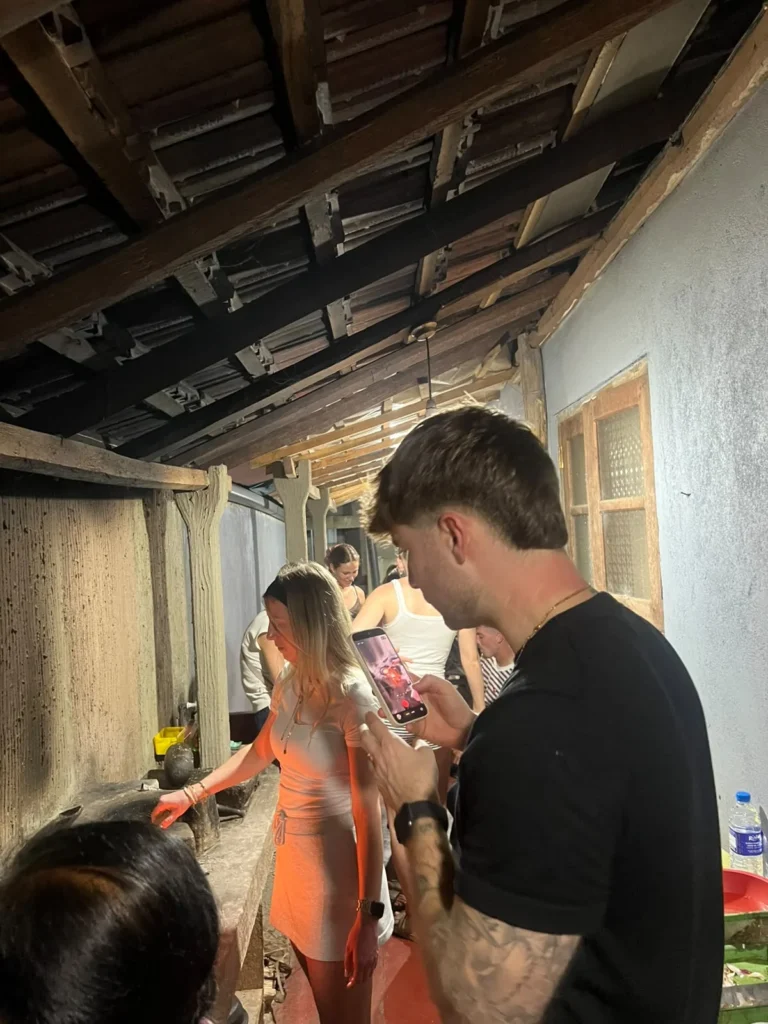
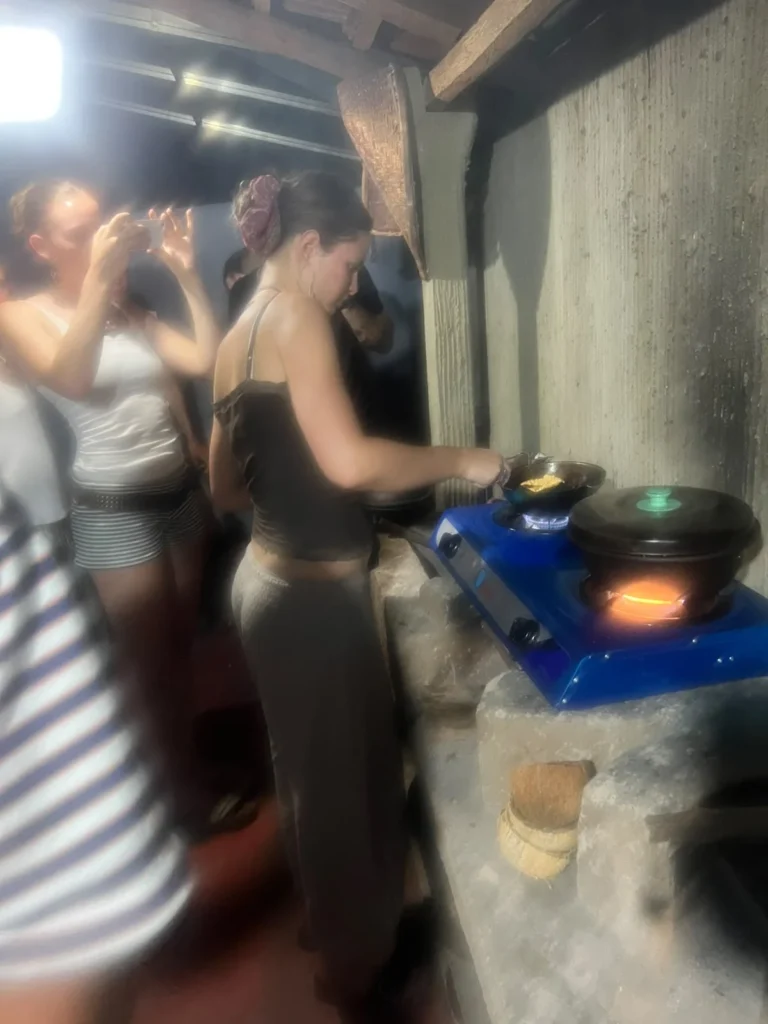
In a group class of eight, there is one hearth and one set of clay pots, so seven people watch while one person stirs. Everybody gets a turn at the coconut scraper and the roti, but the actual cooking gets demonstrated more than practised. That is fine if you came for the afternoon rather than the technique.
In a private class, you do every step of every dish. You will scrape the coconut, extract both pressings of milk, temper the spices, judge when the dhal is done by smell rather than a timer, and get it wrong once with somebody standing next to you to fix it. That is a different afternoon.
The second thing you buy is the ability to ask slow questions. In a group there is a social cost to holding everyone up. On your own you can stop and ask why the coconut milk goes in at the end, and get a real answer.
When a private class is worth the money
Some clear cases, from what we book most often.
You have real dietary requirements. A group menu is set. If you are coeliac, allergic to coconut, or eating strictly halal, a private kitchen removes the negotiation. Our post on vegan and vegetarian classes covers the plant based side in more detail.
You are travelling with young children. Private means you set the pace, take a break when a six year old melts down, and leave early without disrupting anyone. We wrote separately about cooking classes with kids.
You have one free afternoon. A private class starts when you arrive rather than when the last person in the group does, which reliably saves forty minutes.
You want specific dishes. Hoppers need a particular pan and a batter started the night before. Ask for them in a group class and you will be told no. Ask when booking a private one and the family will prepare.
When it is not worth it
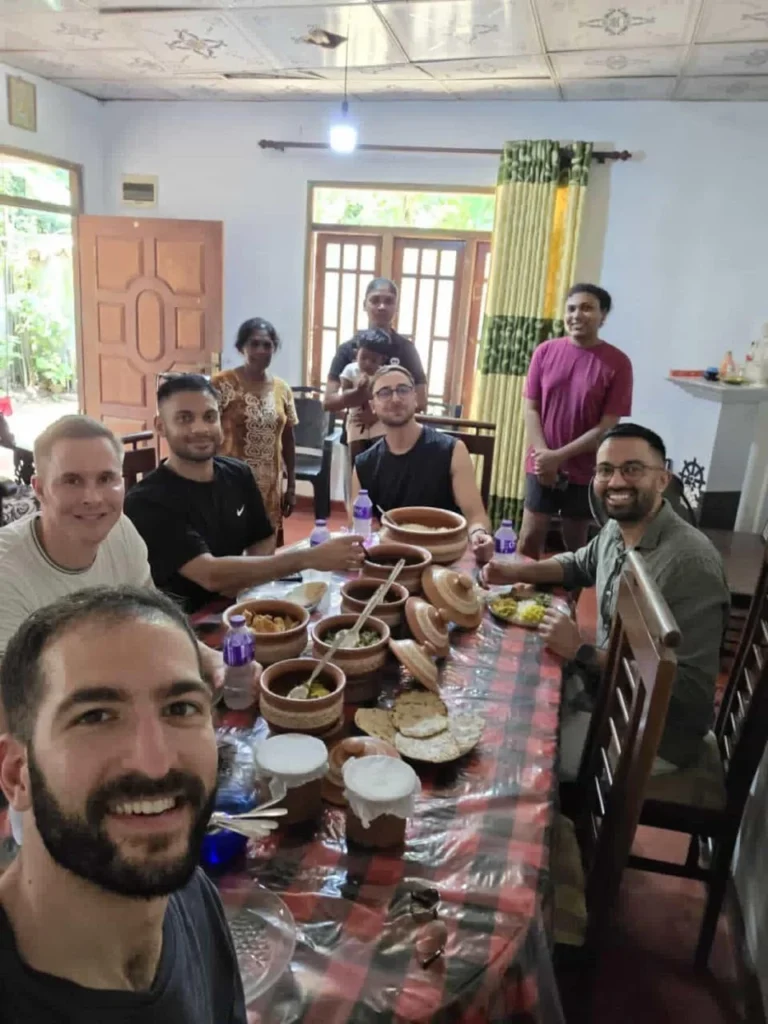
If you are travelling solo or as a couple with no restrictions and no agenda, a group class is usually the better afternoon. The other guests are part of the experience. Some of the best sessions we have sent people to ended with six strangers exchanging numbers over the second helping.
Private also removes a kind of pressure that some people enjoy. In a group you can hang back, watch, and dip in. Alone, the attention is entirely on you for three hours, and not everyone wants that on holiday.
There is a middle option people forget: book a group class and ask how many are booked. If the answer is two, you have effectively bought a semi-private session at the group rate.
What a private menu can include
Because you choose, it is worth knowing what is realistic.
Straightforward to request: dhal, pol sambol, two or three vegetable curries, pol roti, red rice, a coconut gravy. This is the core of Sri Lankan cuisine and any household cooks it weekly.
Possible with notice: hoppers, string hoppers, jackfruit curry, a fish curry, watalappan for dessert. These need either a special pan, an overnight batter, or a trip to the market.
Harder: lamprais, which is a Dutch Burgher dish involving several components baked in banana leaf, and takes most of a day. Some families will do it. Expect to pay for the time.
Ask about the spice blend too. Sri Lankan curry powder is roasted much darker than Indian versions, and watching it made from whole seed is worth twenty minutes of anyone’s afternoon. Take some home along with proper Ceylon cinnamon, which is a different species from the cassia sold in most supermarkets.
Booking a private session on the south coast
Most private classes near Weligama, Mirissa and Unawatuna run from the same village households that host group sessions. You are booking their time exclusively rather than a different venue.
Give at least two days notice. The family shops for your menu specifically, often the morning of, and a same day request means they cook whatever is already in the house.
Confirm what the price includes. Some quotes cover ingredients and the meal only, others include transport from your hotel. The difference on the south coast is usually a few thousand rupees.
Be direct about numbers. “Private for two” and “private for six” are different prices, and the per person cost falls sharply as the group grows, which is why a family of five often pays barely more than the group rate anyway.
If you would rather understand the general shape of these afternoons first, our guide to spotting an authentic cooking experience covers what separates a home kitchen from a hotel demonstration.
Frequently asked questions
How much does a private cooking class in Sri Lanka cost?
Expect roughly two to three times the group rate per person. On the south coast that usually means somewhere between 12,000 and 25,000 rupees for two people including the meal, though this varies by household.
Can I choose the menu?
Yes, that is the main advantage. Give the family two days notice so they can shop, and ask in advance about anything needing a special pan, like hoppers.
Is a private class better for beginners?
Generally yes. You do every step yourself instead of watching, and you can ask questions without holding up a group.
How long does a private class run?
Three to four hours including the meal, similar to a group class, but with less waiting at the start.
Can a private class accommodate allergies?
Much more easily than a group class. Name the allergy when booking rather than on the day, since coconut appears in nearly everything and dried fish turns up in sambol.
Do I need to arrange my own transport?
Some hosts include pickup, some do not. Confirm when booking. Village kitchens are often down lanes that are hard to find without a driver.
Is a private class worth it for one person?
Usually not, unless you have restrictions or a specific menu in mind. Solo travellers tend to enjoy the group version more.
Want us to arrange one?
We are based in Weligama and we book both formats every week, so we know which households handle private sessions well and which are better in a group. Tell us what you want to cook and who is coming, and we will match you. Get in touch, or look at our Sri Lanka tours if you want the class built into a longer trip.
Related reading
This is one of a series on eating and cooking in Sri Lanka. For the wider picture, see our guide to the best food experiences in Sri Lanka, and if you are still choosing a class, our guide to picking the best cooking class in Sri Lanka.