The best historical places in Sri Lanka are its ancient capitals, Anuradhapura, Polonnaruwa and Sigiriya, together with the Dambulla cave temple, the Temple of the Tooth in Kandy and the forts at Galle and Jaffna. Seven of the ten sites below are World Heritage Sites or sit inside one. Six of the ten are in the Cultural Triangle, the heritage region framed by the old capitals of Anuradhapura, Polonnaruwa and Kandy, with Kandy at its southern tip.
We’ve grouped them by region, so sites that are close to each other sit together, with a note on what’s worth your time at each.
Key takeaways
- All six of Sri Lanka’s cultural World Heritage Sites are on this list: Anuradhapura, Polonnaruwa, Sigiriya, Dambulla, the Sacred City of Kandy and the Old Town of Galle.
- Anuradhapura, Mihintale, Ritigala, Sigiriya, Dambulla and Polonnaruwa are all within a few hours’ drive of each other.
- Heritage-site ticket counters open from 7am to 5pm (Central Cultural Fund). On the fund’s price list of 24 September 2026, a full ticket cost USD 35 at Sigiriya and USD 30 each at Anuradhapura and Polonnaruwa.
- At temples, cover shoulders and knees, and take shoes and hats off at the entrance.
The Cultural Triangle
Many visitors stay in Habarana or Dambulla, which sit in the middle of these six sites and keep the daily driving short.
1. Anuradhapura
Anuradhapura was Sri Lanka’s political and religious capital for 1,300 years, until it was abandoned after an invasion in 993 (UNESCO). The city grew up around a cutting from the Buddha’s fig tree, brought to the island in the 3rd century BC by Sanghamitta, who founded an order of Buddhist nuns. Pilgrims still come to the Sri Maha Bodhi, the sacred tree grown from that cutting. The great stupas and monastery ruins are spread over a wide area, so give it a full day, and use our Anuradhapura guide to pick out the main sites.
2. Mihintale
Mihintale is a hill about 12.5 km east of Anuradhapura. According to the ancient chronicles, this is where the monk Mahinda met King Devanampiyatissa on the Poson full moon in June and brought Buddhism to the island (Wikipedia). Pilgrims still return for the Poson festival every June. Steps cut into the rock lead up to the stupas at the top, so go early, before the stone heats up.
3. Ritigala
Ritigala is a forest monastery on a mountain 43 km from Anuradhapura, with ruins and inscriptions from the 1st century BC. In the 9th century AD, King Sena I endowed it for the Pansukulikas, monks who lived in extreme austerity (Wikipedia). The mountain’s forest is now a strict nature reserve of 1,528 hectares, and in March 2026 Sri Lanka submitted it to UNESCO’s Tentative List as a natural site (UNESCO). Its stone paths and meditation platforms lie under the forest canopy, a shadier visit than the open ruins elsewhere in the Triangle. Entry is cheap by Triangle standards, at USD 6 for a full ticket on the Central Cultural Fund’s September 2026 price list.
4. Sigiriya
King Kassapa I, who ruled from 477 to 495, built his capital at Sigiriya. Its ruins lie on the slopes and summit of a granite peak about 180 metres high, the “Lion’s Rock”. Visitors still climb to them by staircases that start at a gigantic lion built of brick and plaster (UNESCO). Only the lion’s paws survive. The site is also known for its frescoes and water gardens (Central Cultural Fund). Start early, before the heat and the queues, and see our Sigiriya guide for when to climb and nearby day trips.
5. Dambulla Cave Temple
Dambulla has been a sacred pilgrimage site for 22 centuries, and its five sanctuaries make up the largest and best-preserved cave-temple complex in Sri Lanka. UNESCO singles out its 157 statues and around 2,100 square metres of Buddhist murals (UNESCO). The caves are about 30 minutes from Sigiriya, so the two fit into one day, and our Dambulla cave temple guide suggests setting aside about two hours for the visit.
6. Polonnaruwa
Polonnaruwa became Sri Lanka’s second capital after Anuradhapura was destroyed in 993. Besides Hindu monuments built by the Cholas, it holds the ruins of the garden city that King Parakramabahu I created in the 12th century (UNESCO). Our Polonnaruwa guide covers the main ruins, which are spread over flat ground, so many visitors cycle between them.
Kandy and the hills
Kandy is the gateway to the tea country and the higher mountains, as our Kandy travel guide puts it.
7. The Temple of the Tooth, Kandy
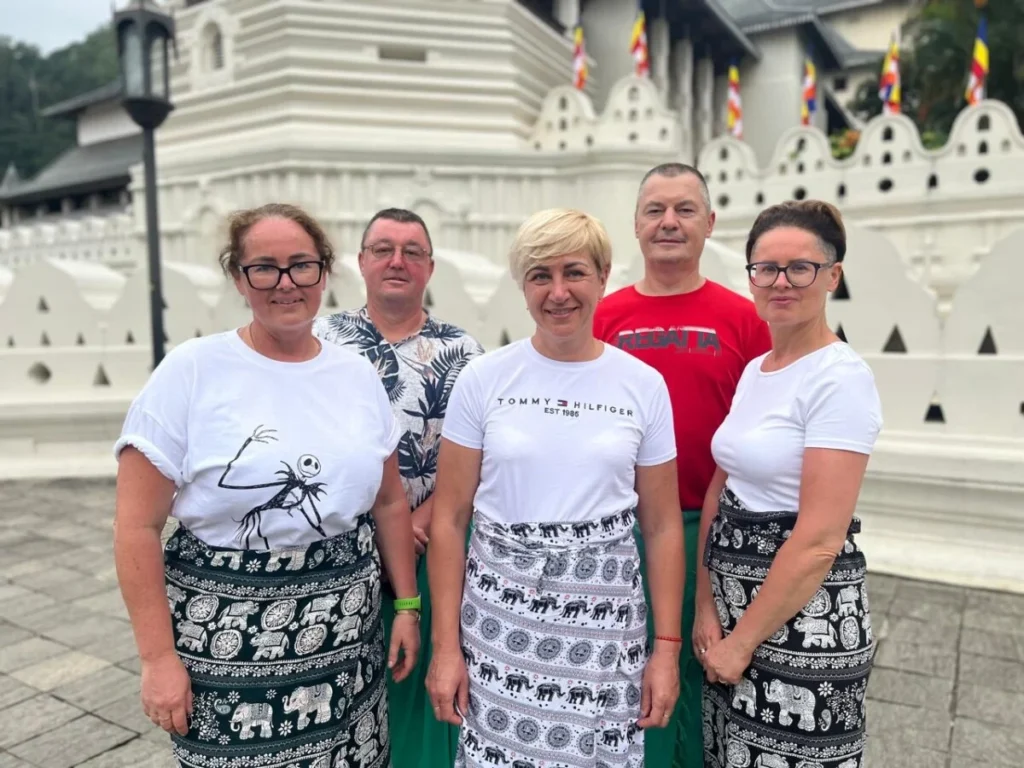
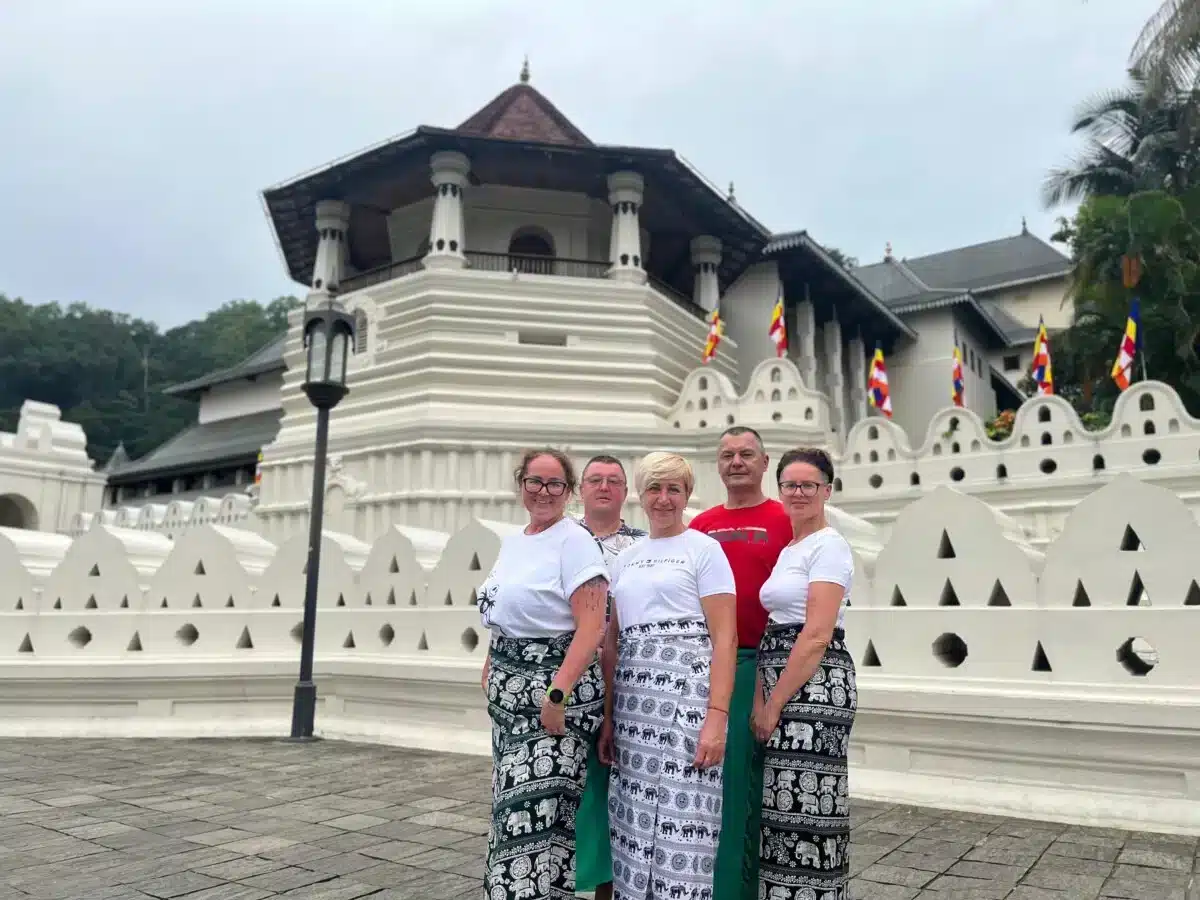
Kandy was, in UNESCO’s words, “the last capital of the Sinhala kings”. Its Temple of the Sacred Tooth Relic holds a tooth of the Buddha and is a famous pilgrimage site (UNESCO). It’s a working temple, so dress modestly and leave your shoes at the entrance. Each July or August the Esala Perahera fills the city with processions of dancers, drummers and decorated elephants. Its dates follow the Sinhala month of Esala, so they move each year; in 2026 the processions ran from 18 to 28 August (Sri Dalada Maligawa). Our Kandy City Tour takes in the temple, the botanic gardens and the lake in a day.
8. Adam’s Peak (Sri Pada)
Adam’s Peak is a 2,243-metre mountain named for the footprint-shaped mark near its summit. Buddhists hold it to be the footprint of the Buddha, Sri Lankan Hindus link it to Shiva, and some Muslims and Christians to Adam (Wikipedia). Pilgrims have climbed it for centuries. An inscription of King Vijayabahu I records that he went up to worship the footprint. The traveller Ibn Battuta, who climbed it in 1344, described a stairway and chains that helped pilgrims up. The forest around the peak belongs to the Central Highlands of Sri Lanka, a natural World Heritage Site (UNESCO). The night climb, from December to May, is covered in our guide to hiking in Sri Lanka.
Forts on the coast
Galle is on the south coast and Jaffna in the far north, at opposite ends of the island.
9. Galle Fort
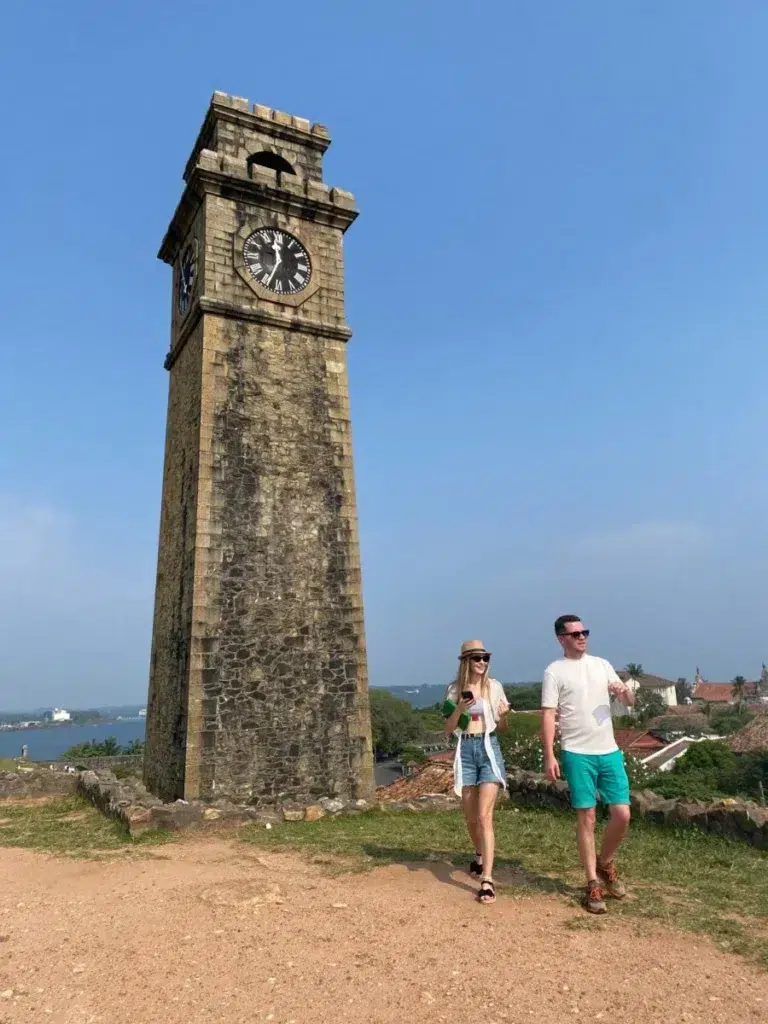
The Portuguese founded Galle’s fortified town in the 16th century, but Galle was already the island’s main port before they arrived. It reached the height of its development in the 18th century under the Dutch, who built the present fort in 1663 (Wikipedia). UNESCO calls it “the best example of a fortified city built by Europeans in South and South-East Asia” (UNESCO). Walk the ramparts in the late afternoon, past the clock tower to the lighthouse. Then wander the old streets inside the walls.
10. Jaffna Fort
Jaffna Fort stands at the edge of the lagoon. The Portuguese built the first fort in 1619, and the Dutch rebuilt and enlarged it from the second half of that century. It is the second largest surviving fort in the country, according to the Sri Lanka Army. Walk the ramparts for views over the water. Our Northern Heritage tour links Jaffna with Anuradhapura and Mihintale.
Sri Lanka’s historical places at a glance
| Site | Why go | World Heritage |
|---|---|---|
| Anuradhapura | First great capital; Sri Maha Bodhi | Yes, 1982 |
| Mihintale | Where Buddhism arrived, by tradition | No |
| Ritigala | Forest monastery ruins | Tentative List, 2026 |
| Sigiriya | Rock fortress and frescoes | Yes, 1982 |
| Dambulla | Five painted cave shrines | Yes, 1991 |
| Polonnaruwa | 12th-century garden city | Yes, 1982 |
| Temple of the Tooth | Tooth relic; Esala Perahera | Sacred City of Kandy, 1988 |
| Adam’s Peak | Pilgrimage to the summit | Central Highlands, 2010 |
| Galle Fort | Ramparts and old town | Yes, 1988 |
| Jaffna Fort | Fort on the lagoon | No |
Questions about Sri Lanka’s historical sites
How many World Heritage Sites does Sri Lanka have?
Eight, according to UNESCO. Six are cultural, and all six are in this guide. The other two are natural: the Sinharaja Forest Reserve and the Central Highlands of Sri Lanka.
How many days do you need for the Cultural Triangle?
Three or four days lets you see Anuradhapura, Sigiriya, Dambulla and Polonnaruwa without rushing, with an early start at each. Add a day for Mihintale and Ritigala.
What should you wear to Sri Lanka’s historical sites?
Light clothes that cover your shoulders and knees work everywhere, and they’re required at temples. You’ll take your shoes off at many shrines, so sandals are easier than laces.
We checked these details against the sources linked above on 27 September 2026. Ticket prices move with the exchange rate, so check the Central Cultural Fund’s price list before you go.