Key takeaways
- Sri Lanka is generally cheaper than Thailand on food, drivers and entry-level accommodation. Thailand is cheaper on flights, domestic transport and anything mid-range or upmarket.
- The single biggest cost difference is how you get around. Thailand has cheap buses, trains and budget airlines. Sri Lanka’s practical answer is a private car and driver, which is excellent value but a real line item.
- Sri Lanka’s headline entry fees are higher. Major archaeological sites and national parks charge foreign visitors considerably more than most Thai equivalents.
- For a two-week trip, most travellers spend a similar total in both countries and get quite different things for it.
- Alcohol is markedly more expensive in Sri Lanka. Food is markedly cheaper.
The short answer
For daily living costs, Sri Lanka is usually cheaper. For total trip cost, the two are much closer than the daily figures suggest, because Sri Lanka front-loads its expenses into transport and entry tickets while Thailand spreads them thin.
If your holiday is mostly eating, sleeping somewhere simple and staying put on a beach, Sri Lanka wins on cost. If you are moving between five cities in two weeks and flying between them, Thailand wins.
Check live figures rather than trusting any article, including this one. Numbeo’s Sri Lanka cost of living page updates continuously and lets you compare country to country directly. Rupee and baht rates both move, so treat every number below as indicative rather than fixed.
Where Sri Lanka is genuinely cheaper
Food, and it is not close
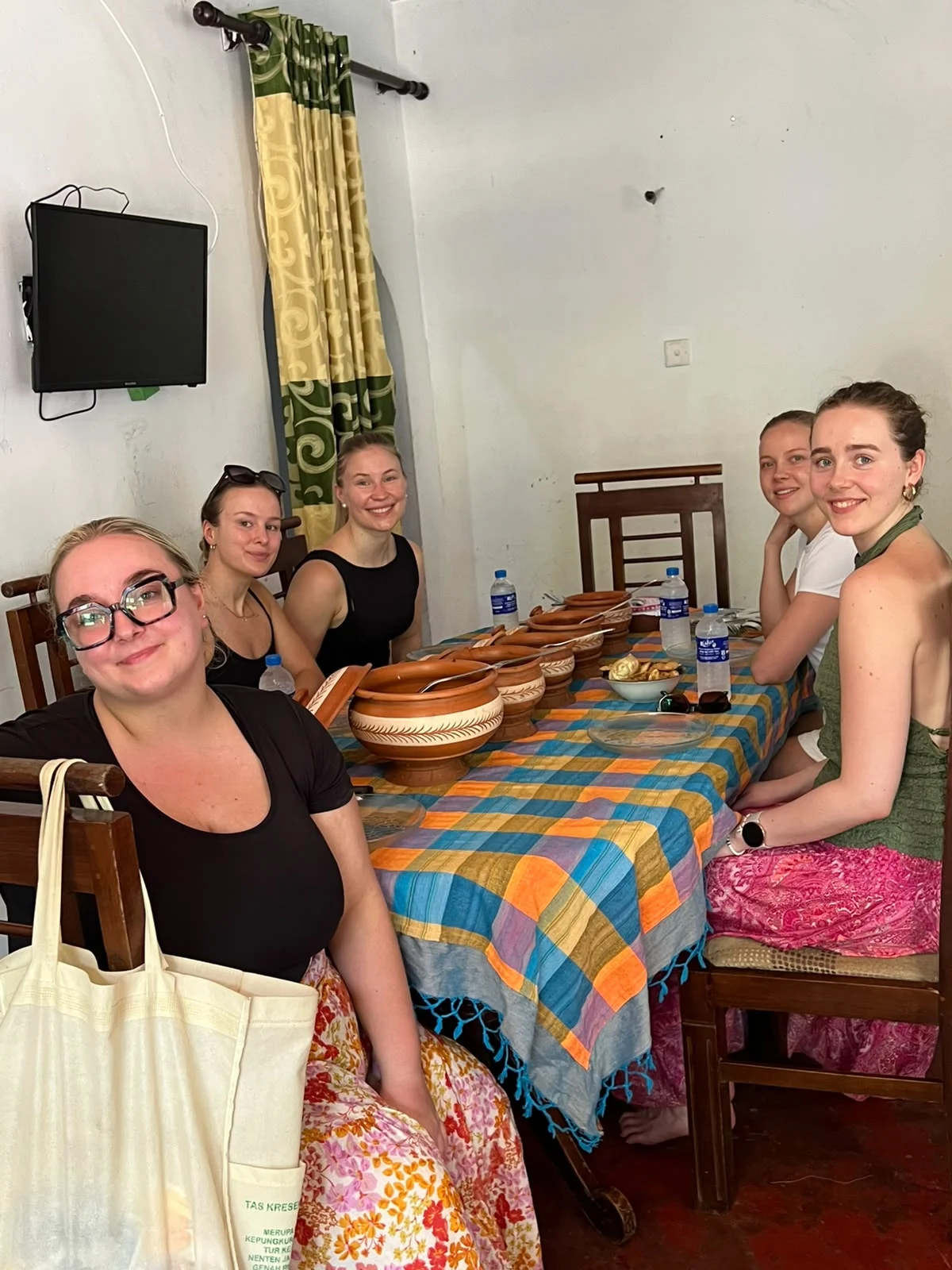
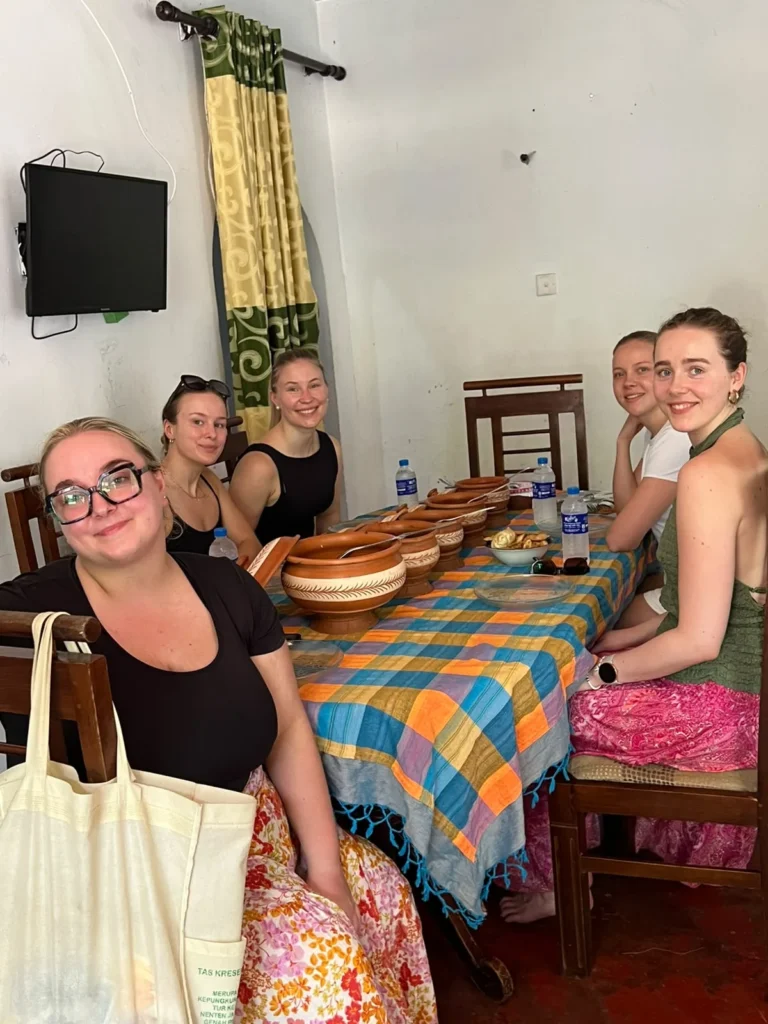
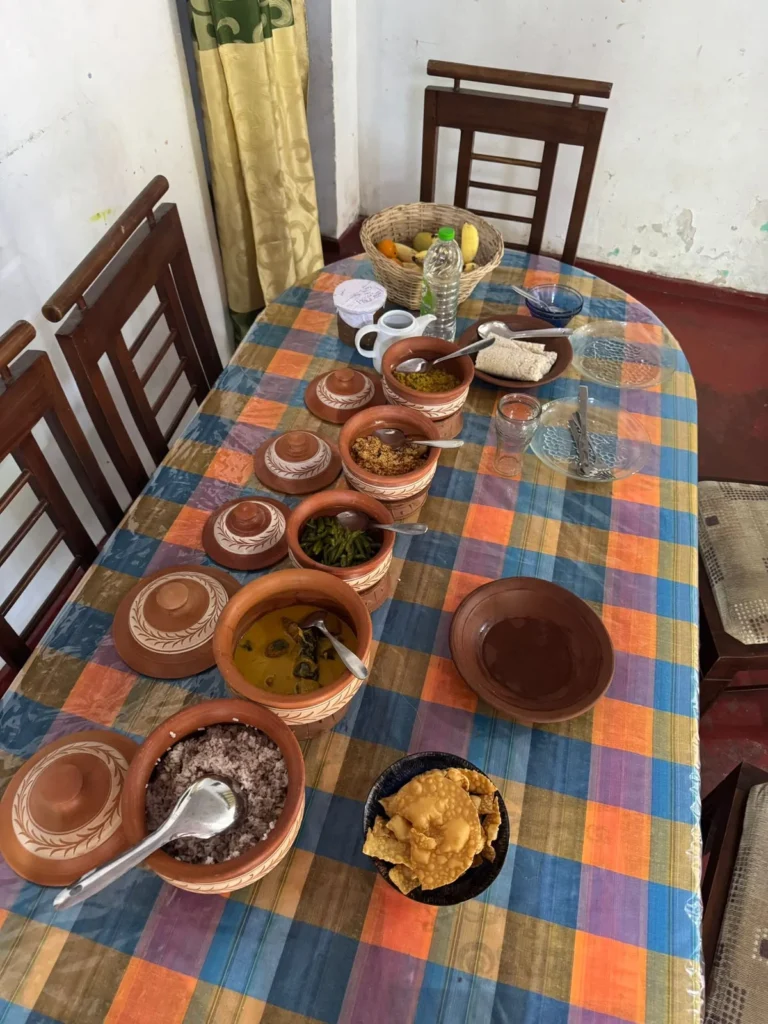
A rice and curry plate from a local canteen in Sri Lanka is one of the best value meals in Asia. You get red rice, dhal, two or three vegetable curries, a sambol and a papadam, and it costs a few hundred rupees. Refills of the vegetable curries are often free and offered without being asked for.
Thai street food is famously cheap and genuinely is. But a Thai street plate is one dish. A Sri Lankan rice and curry is six, for a similar or lower price.
Guesthouses and homestays
Family-run guesthouses in Sri Lanka undercut the Thai equivalent, particularly outside the peak December to March window on the south coast. The rooms are simpler. Breakfast is usually included and is usually excellent.
Experiences run by families
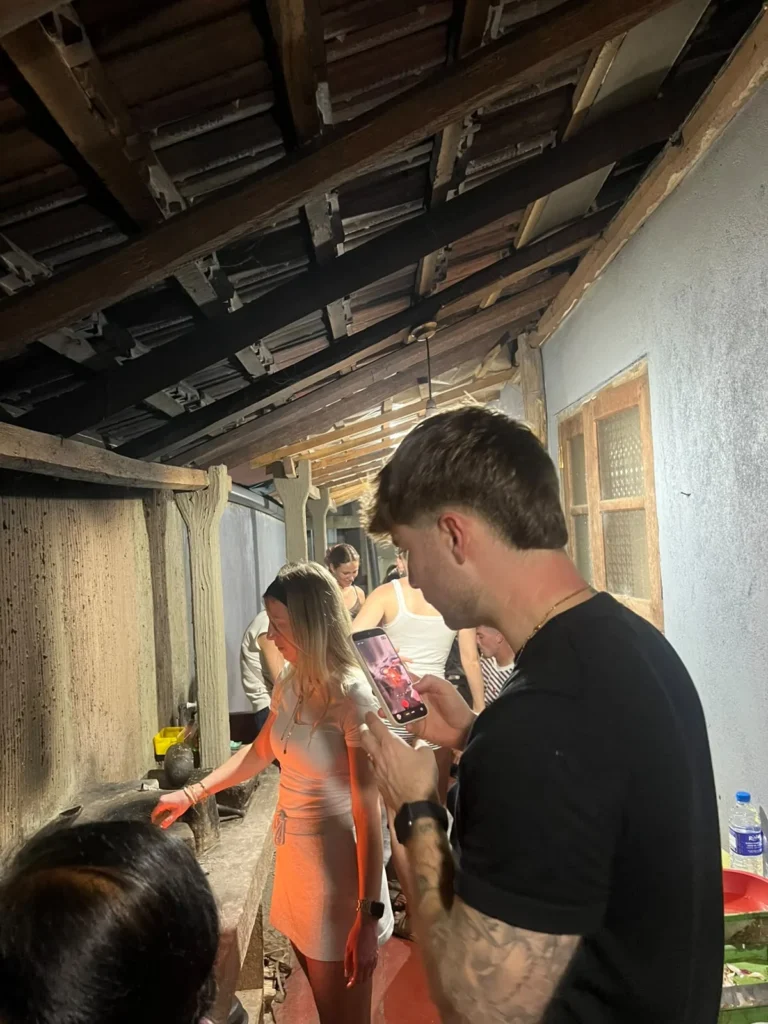
A village cooking class in Sri Lanka runs in the low thousands of rupees per person including the meal you eat afterwards, typically 4,000 to 9,000 rupees. The equivalent Thai class in Chiang Mai or Bangkok generally costs more, and more of that money goes to an operator rather than a household.
Tea, spices and anything grown locally
Buying Ceylon cinnamon or estate tea in Sri Lanka is dramatically cheaper than buying it anywhere else, including Thailand.
Where Thailand is cheaper
Getting there
Thailand has far more international routes and much stiffer competition on them. Flights into Bangkok are usually cheaper than flights into Colombo from almost anywhere.
Getting around
This is the real gap. Thailand has a mature budget domestic network: cheap airlines, overnight trains, comfortable long-distance buses, and city transport that works.
Sri Lanka has beautiful trains and very cheap public buses, but the road network and distances mean that most visitors trying to see the island in two weeks end up hiring a car and driver. It is superb value for what it is, and it is also a daily cost Thailand does not impose. We break the real numbers down in our guide to what a driver costs in Sri Lanka.
You can absolutely do Sri Lanka by train and bus for very little. It takes about twice as long.
Mid-range and upmarket hotels
Thailand’s mid-market is deeper and more competitive. At the four-star and boutique level you get more for your money in Thailand than in Sri Lanka.
Alcohol
Sri Lanka taxes alcohol heavily. A beer in a Sri Lankan restaurant often costs more than the meal it accompanies. Thailand is cheaper across the board here, and if drinking is part of your holiday budget this alone can flip the comparison.
Entry fees
Sri Lanka charges foreign visitors substantially more than locals at major sites, and the headline archaeological and national park tickets are among the highest in South Asia. Thailand’s equivalents are generally lower. If your itinerary is heavy on UNESCO sites and safari days, budget for it properly.
The comparison nobody makes, which is what you get for the money
Cost per day is the wrong metric if the two countries deliver different holidays.
Sri Lanka is compact. You can be watching leopards in the morning and swimming in the evening, and the cultural sites are genuinely ancient and genuinely uncrowded compared to their Southeast Asian equivalents. The food is more distinctive and less internationally familiar than Thai food, which cuts both ways depending on your palate. Sri Lankan cuisine and Thai cuisine share ingredients and almost nothing else.
Thailand is bigger, more developed for tourism, easier to move around, and has a far wider range at every price point. It is also considerably busier in the places you have heard of.
Lonely Planet’s Sri Lanka and Thailand destination pages are a decent sanity check on what each country actually offers before you optimise for price.
A two-week budget, roughly
Treat these as planning brackets, not quotes. Both currencies move and both countries have wide ranges within each tier.
Backpacking, staying in dorms and guesthouses, eating locally and using public transport: Sri Lanka comes out a little cheaper than Thailand, mostly on food.
Mid-range, staying in good guesthouses and small hotels with a private driver in Sri Lanka and domestic flights in Thailand: the two land close, with Sri Lanka’s driver cost roughly offsetting Thailand’s higher accommodation and drinks.
Comfortable, staying at four-star level: Thailand is cheaper for the same standard.
The variable that swings it hardest is not the country. It is whether you are moving every two days or staying put.
Practical money notes for Sri Lanka
Cash still matters more than it does in Thailand, particularly outside Colombo and the main resort strips. Village households, small canteens and tuk tuk drivers want rupees in hand.
ATM withdrawal fees add up. Take out larger amounts less often.
Tipping is expected but modest, and tipping a household directly after a cooking class or homestay meal goes further than tipping through an operator.
Check the UK government’s Sri Lanka travel advice for current entry requirements and anything affecting costs, since visa arrangements have changed more than once in recent years.
Frequently asked questions
Is Sri Lanka cheaper than Thailand?
For daily costs like food, guesthouses and local experiences, yes. Thailand is cheaper for flights, domestic transport, mid-range hotels and alcohol, so total trip costs often end up similar.
Which is cheaper for food, Sri Lanka or Thailand?
Sri Lanka. A local rice and curry gives you five or six dishes for roughly what a single-dish Thai street plate costs.
Is Sri Lanka cheaper than Thailand for backpackers?
Usually, provided you use trains and buses rather than a private driver. Backpackers who hire a car and driver lose that advantage quickly.
Why do people say Sri Lanka is expensive?
Two reasons: foreign-visitor entry fees at major sites and national parks are high, and most itineraries need a private driver, which is a real daily cost.
Is alcohol expensive in Sri Lanka?
Yes, considerably more than in Thailand. Sri Lanka taxes alcohol heavily and restaurant beer often costs more than the meal.
Which country is better value overall?
Depends on the trip. Sri Lanka gives better value if you move slowly and eat locally. Thailand gives better value if you are covering distance or want mid-range comfort.
How much cash should I carry in Sri Lanka?
More than you would in Thailand. Small guesthouses, canteens, tuk tuks and village hosts are cash-first, and ATM fees make frequent small withdrawals wasteful.