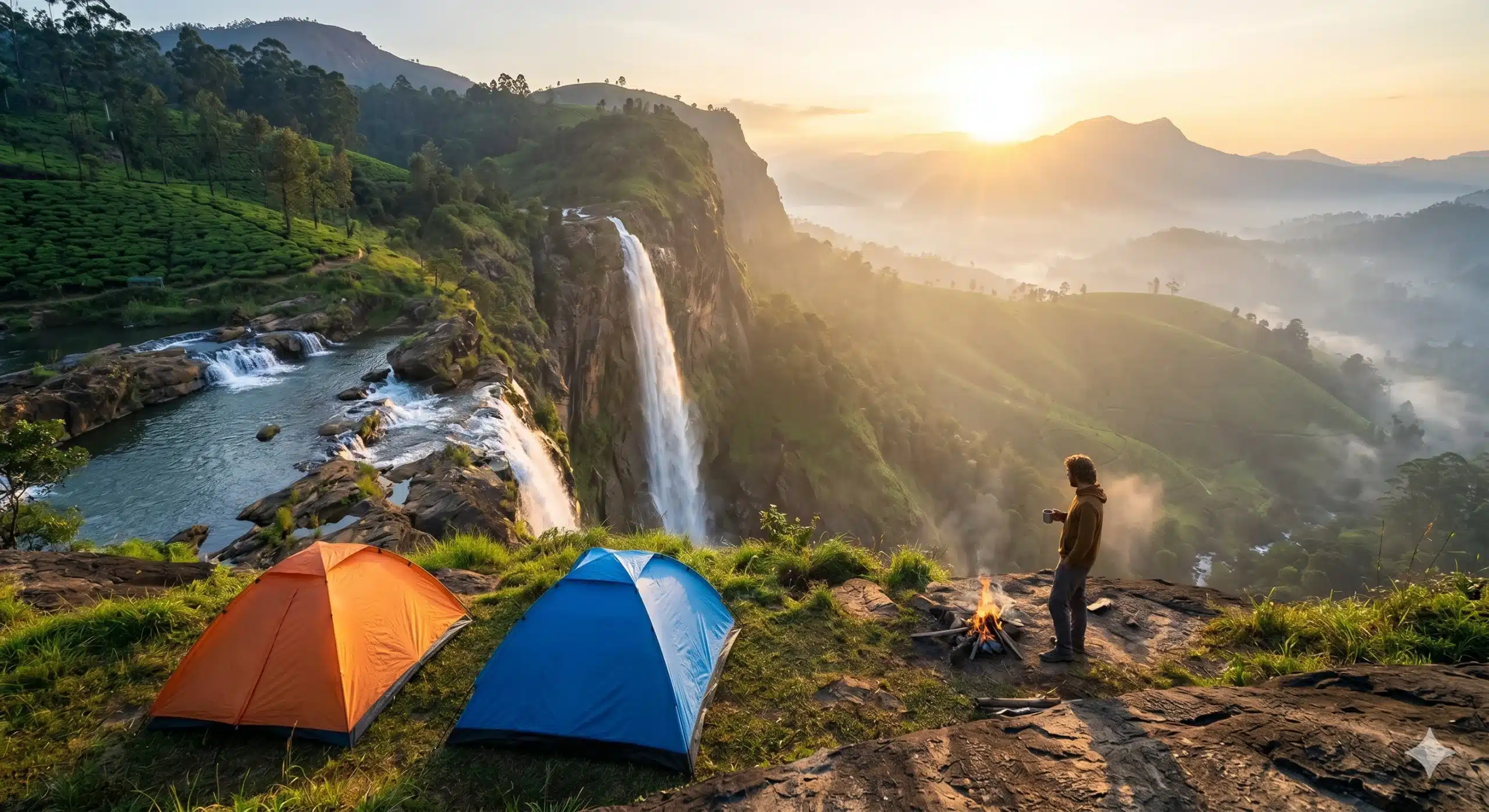
Welcome to the only sri lanka travel guide you will need to plan the perfect island getaway. From ancient temples to misty tea hills and golden shores, this teardrop-shaped island packs a massive punch for its size. Read on to discover local secrets, practical tips, and expert advice to help you build your ideal holiday itinerary.
What is the best way to travel around Sri Lanka? For most international visitors, the best approach is a mix of private transport and scenic train rides. Hiring a private driver allows for flexible sightseeing, while taking the famous Kandy-to-Ella train offers unmatched views. Combining both ensures a stress-free and spectacular journey.
Key Takeaways
- Best time to go: Visit the west and south coasts from December to April, and the east coast from May to September.
- Top highlights: Explore the historic ruins, search for leopards in national parks, and relax in the cool tea country.
- Getting around: Hire a private driver for comfort, but do not miss the scenic highland trains.
- Visa requirements: All travellers must apply for an Electronic Travel Authorization (ETA) online before arriving.
When is the Best Time to Visit Sri Lanka?
Because the island experiences two separate monsoon seasons, you can visit year-round if you know exactly where to go. The absolute best time to visit the popular south and west coasts is between December and April. During these months, the weather is dry, sunny, and perfect for the beach. Conversely, if you plan to visit the east coast beaches like Arugam Bay or Trincomalee, aim for May through September.
Say you land in Colombo on a Tuesday morning in July. The southern beaches might be experiencing short, sharp rain showers. However, you can simply drive a few hours east, and you will find perfect, sun-drenched shores. Planning a trip here is like tuning a radio shift a few miles east or west, and you catch an entirely different weather pattern. We always recommend checking the official Sri Lanka Tourism board for seasonal updates before you book.
Top Destinations for Your Sri Lanka Tour
For a relatively small island, the sheer diversity is staggering. Whether you want a thrilling wildlife encounter or a relaxing beach escape, a great itinerary balances culture, nature, and downtime.
The Cultural Triangle
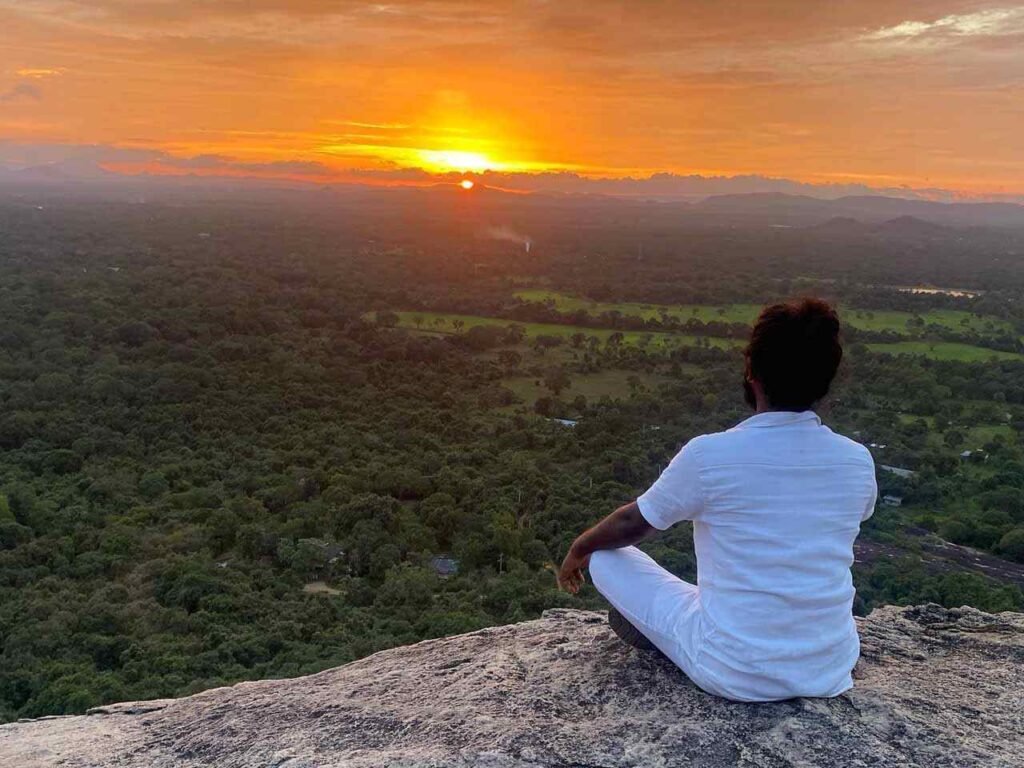
Rich in history, the region known as the Cultural Triangle forms the historic heart of the country. You can climb the iconic Sigiriya Rock Fortress, explore the intricate cave temples of Dambulla, and wander through the ancient brick stupas of Anuradhapura. Because these locations are globally significant, many are protected by UNESCO World Heritage. To truly understand the island’s deep heritage, you should spend at least three days here. For a step-by-step route, read our detailed Cultural Triangle itinerary.
Wildlife and National Parks
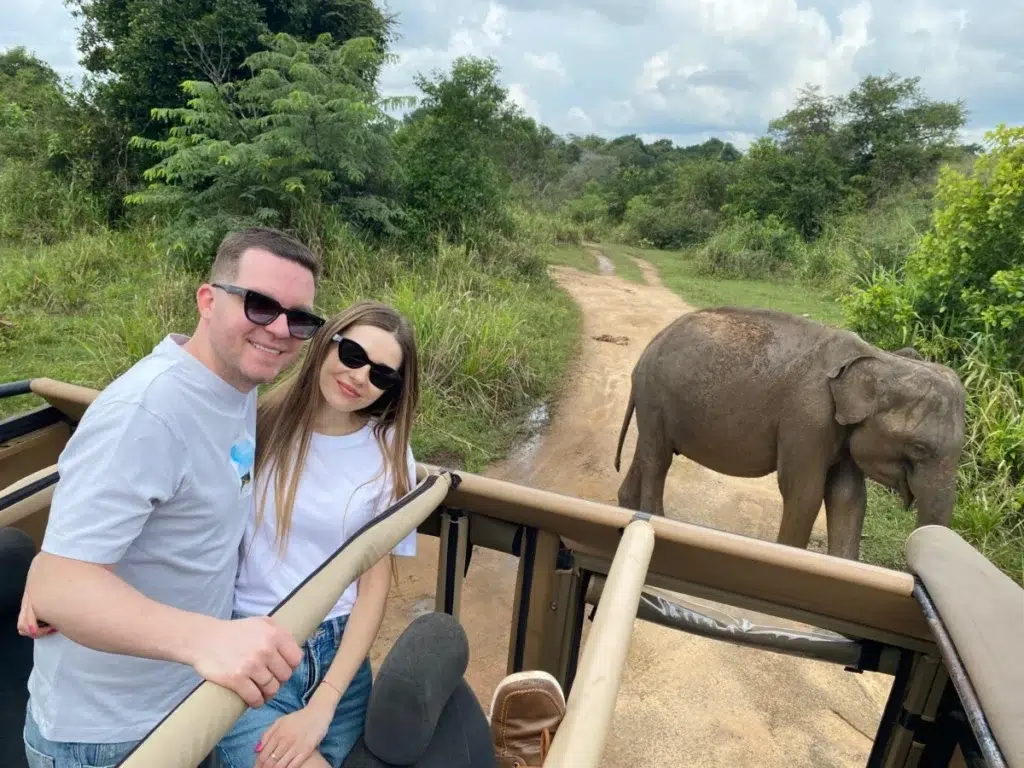
Sri Lanka is a recognized biodiversity hotspot. You can get up close to spectacular wildlife without travelling all the way to Africa. For the best chance at leopard sightings, book a Yala safari. If you prefer massive, majestic elephant herds, head to Minneriya or Udawalawe National Park. The Department of Wildlife Conservation tightly regulates entry to protect the animals, so going with an experienced guide is essential.
The Hill Country and Tea Plantations
Journey high into the misty central highlands for a dramatic change of scenery. Towns like Nuwara Eliya and Ella offer rolling green hills entirely covered in lush tea estates. We honestly believe skipping the train ride from Kandy to Ella is a massive mistake. The slow, winding journey through the clouds is arguably one of the most beautiful train rides on earth.
Pristine Coastlines
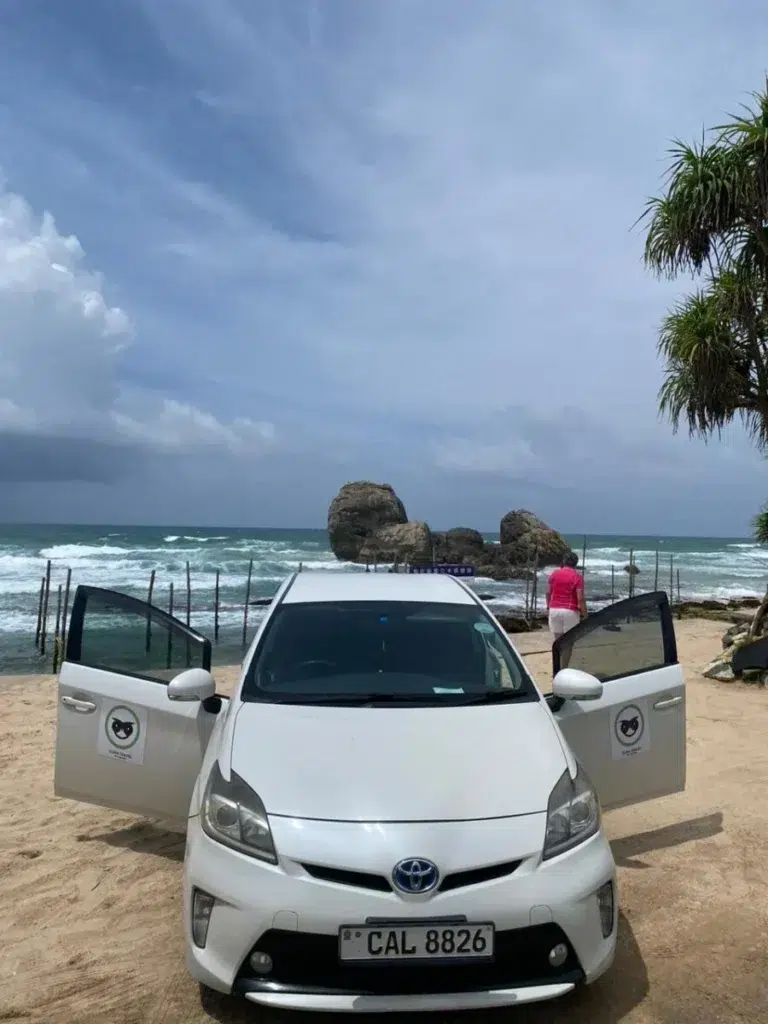
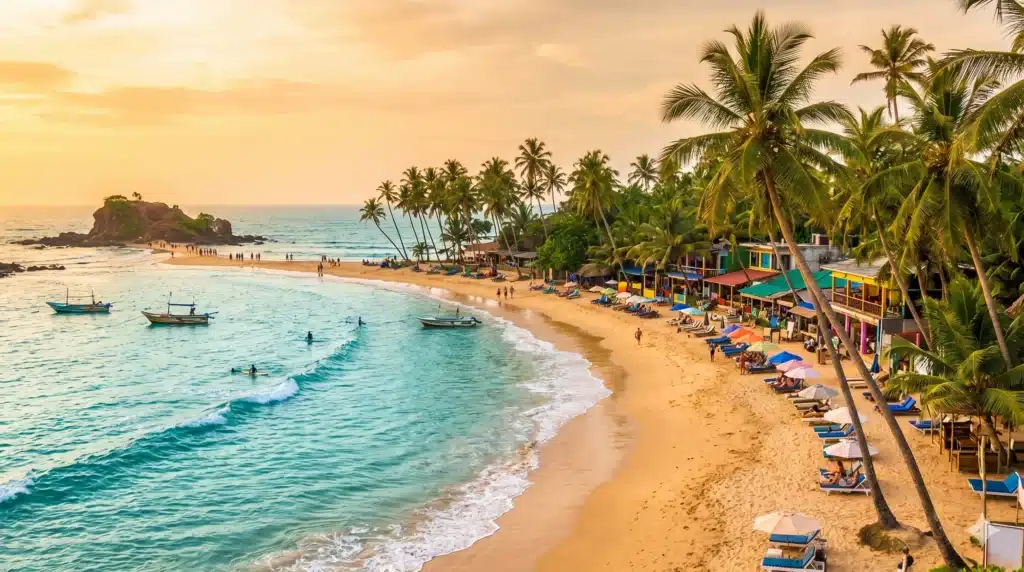
After busy days of exploring, you need some beach time. The southern coast offers trendy surf towns like Mirissa and Hiriketiya, complete with boutique cafes and palm-fringed bays. If you want luxury resorts and calm waters for swimming, the beaches around Bentota are fantastic.
How to Get Around: A Quick Comparison
Transport across the island can be tricky to navigate. Here is a brief look at your main options.
| Transport Type | Best For | Pros | Cons |
| Private Driver | Families, first-timers | Door-to-door comfort, local insight | Costs more than public transit |
| Train | Scenic routes | Stunning views, very cheap | Often crowded, must book ahead |
| Bus | Budget backpackers | Extremely cheap, covers everywhere | Crowded, fast driving, no AC |
| Tuk-Tuk | Short city hops | Fun, breezy, easy to find | Not safe for long highway trips |
For total peace of mind, many travellers choose custom Sri Lanka tours that include a dedicated vehicle and a professional local guide. This entirely removes the stress of navigating busy roads and deciphering local bus schedules.
Using This Sri Lanka Travel Guide for Essential Logistics
Before you pack your bags, you need to handle a few practical details to ensure a smooth arrival.
Visas and Entry Rules
Every visitor needs an Electronic Travel Authorization (ETA). The process is fully online, secure, and usually takes just a few days to approve. As of 2026, nationals from 40 specific countries receive a free 30-day tourist visa. However, you must still process the ETA online before boarding your flight. Always check the official Sri Lanka e-Visa portal for the most current rules and exemptions.
Currency and Daily Costs
The local currency is the Sri Lankan Rupee (LKR). While luxury hotels, larger restaurants, and supermarkets accept major credit cards, you will definitely need cash for small cafes, tuk-tuk rides, and local village markets. An average mid-range budget is roughly $80 to $120 USD per day. This easily covers comfortable boutique guesthouses, private transport, and delicious local meals.
Safety Considerations
Sri Lanka is very safe for tourists, and locals are famously hospitable. Violent crime against travellers is exceedingly rare. You should, however, always use common sense. Watch out for petty theft in crowded markets and train stations. Also, avoid swimming at secluded beaches with strong undercurrents; always look for local warning flags.
What to Pack and Cultural Etiquette
Because the climate varies drastically from the hot coasts to the chilly mountains, you need to pack in layers. Bring lightweight, breathable cotton clothes for the beach, but pack a warm fleece or sweater for Nuwara Eliya, where evening temperatures drop sharply.
When visiting Buddhist and Hindu temples, strict dress codes apply. You must cover your shoulders and your knees before entering. Never turn your back to a Buddha statue to pose for a photograph, because locals consider this highly offensive. Always remember to remove your shoes and hats before entering sacred spaces.
Frequently Asked Questions
How many days do I need for a Sri Lanka tour?
To see the main highlights without rushing, plan for 10 to 14 days. This gives you enough time to explore the ancient cities, ride the highland train, enjoy a wildlife safari, and relax on the beach.
Is it easy to communicate in English?
Yes, English is widely spoken across the entire tourism industry. You will have no trouble communicating with hotel staff, drivers, and restaurant servers. Learning a few words in Sinhala, like “Ayubowan” (may you have a long life), will earn you big smiles.
Can I drink the tap water?
No, it is not safe for foreigners to drink tap water. Always buy filtered bottled water or bring a reusable bottle with a high-quality built-in filter. Use purified water for brushing your teeth just to be completely safe.
What is the local food like?
Sri Lankan food is flavorful, heavily spiced, and relies on coconut milk and fresh curry leaves. Rice and curry is the ultimate staple meal, often featuring an array of small vegetable, meat, and fish dishes. Do not miss trying hoppers, a crispy, bowl-shaped rice flour pancake.
Plan Your Custom Trip with Oura Travel
Reading a comprehensive sri lanka travel guide is a great starting point, but having a trusted local expert takes your holiday to the next level. At Oura Travel, we have over a decade of hands-on experience crafting unforgettable journeys across the island.
To learn more about our commitment to quality, you can read about us and our local team. Whether you want a private family holiday, an adventurous honeymoon, or a deep dive into local culture, we are here to help. Contact us today to start planning your perfect itinerary, and let us show you the very best of our island home.