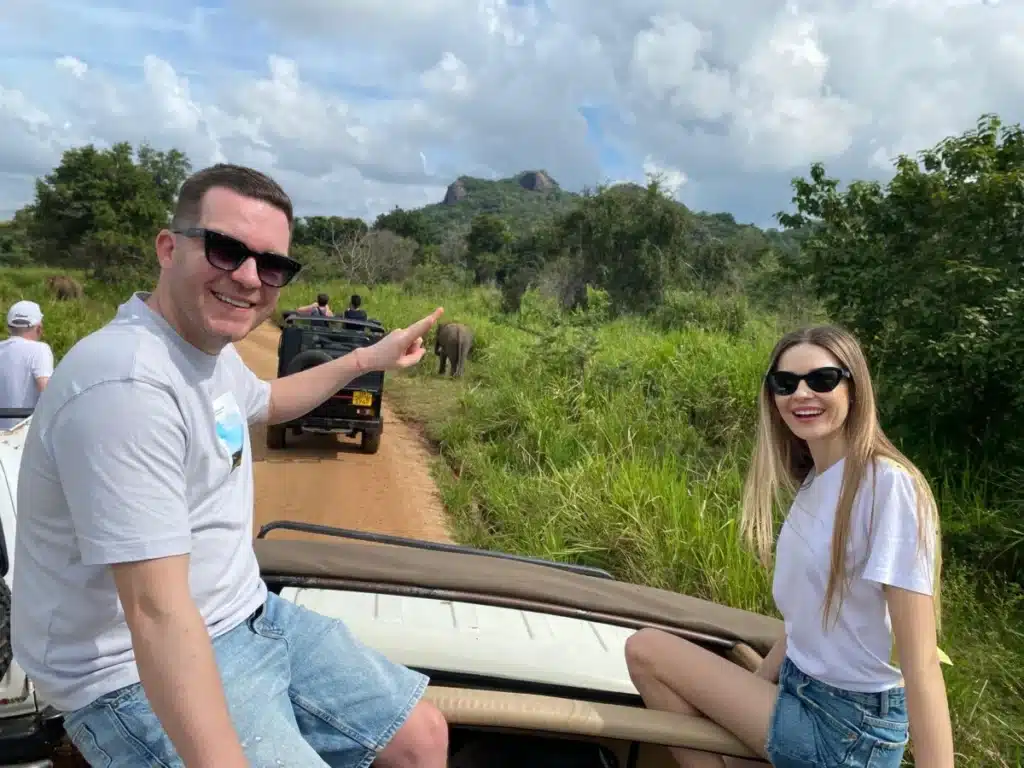
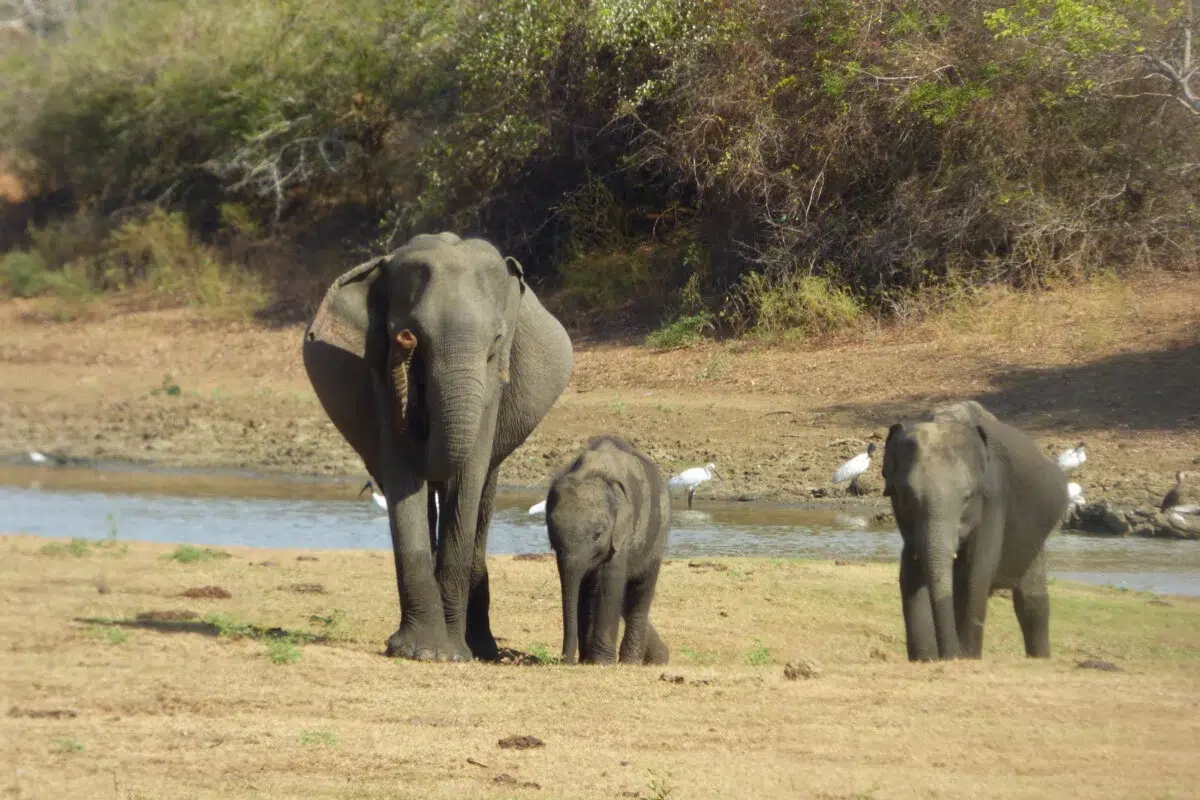
A Sri Lanka safari starts with one choice: the animal you most want to see. For leopards, go to Yala, whose best months on Love Sri Lanka are February to July (Love Sri Lanka), or to Wilpattu. For big elephant herds, Udawalawe can be visited in any month (Love Sri Lanka), and Minneriya’s gathering peaks in August and September (Love Sri Lanka). Almost every safari is a drive in an open jeep with a driver, and Lonely Planet calls a 4WD the only practical way to see Yala (Lonely Planet).
Key takeaways
- Leopards: Yala and Wilpattu. Elephants: Udawalawe all year, Minneriya and Kaudulla in the dry months. Birds: Bundala in winter, Kumana from April to July.
- Official fees: a foreign adult pays USD 25 for each daytime entry in the tourist season at Yala, Udawalawe, Minneriya or Wilpattu. A USD 10 service fee per jeep, jeep hire and taxes come on top.
- Drought shut Yala’s Blocks 1 and 2 in mid-September 2026, and a reopening was announced for 16 October 2026. Check before you book.
- Yala had more than 459,000 visitors in the first half of 2026, more than any other park, so expect other jeeps at a leopard sighting.
Which park for which animal: the nine main parks compared
Months and towns are as each row’s source gives them.
| Park | Best for | When to go | Nearest base |
|---|---|---|---|
| Yala | Leopards, elephants, sloth bears (Love Sri Lanka) | February to July, best in March and April | Tissamaharama. |
| Wilpattu | Leopards, and lakes where elephants drink (Love Sri Lanka) | February to October | Anuradhapura or Puttalam (Wikipedia). |
| Udawalawe | Elephant herds (Love Sri Lanka) | Any month; May or June to October named as ideal | Embilipitiya (Wikipedia). |
| Minneriya | The elephant gathering (Love Sri Lanka) | August and September | Polonnaruwa (Wikipedia). |
| Kaudulla | Elephants at the tank (Wikipedia) | Around September | Polonnaruwa. |
| Bundala | Migrant water birds, greater flamingos (Wikipedia) | Winter, when the migrants are in | Hambantota. |
| Gal Oya | Boat trips, elephants (Wikipedia) | All year for the elephants; rain comes with the north-east monsoon | Ampara. |
| Kumana | Water birds, fewer jeeps (Love Sri Lanka) | April to July for the birds | Arugam Bay, 1.5 hours. |
| Horton Plains | A walk, sambar deer (Love Sri Lanka) | March to the end of May | Ohiya, an hour from Nuwara Eliya. |
Love Sri Lanka calls Kumana the less crowded alternative to Yala, with fewer jeeps (Love Sri Lanka). Drought closed its campsites in September 2026 (Newswire), so check them before planning a night. Wasgamuwa holds a herd of about 150 elephants (Wikipedia); we’d add it only if you are staying nearby. Horton Plains is a walk over high grassland, where plastics are banned (Love Sri Lanka).
Yala National Park: blocks, leopards and the 2026 closure
Official figures for January to June 2026, as the Daily Mirror reported them, put Yala top with more than 459,000 visitors, ahead of Udawalawe on 219,465 (Daily Mirror). Love Sri Lanka splits the park into five blocks, with Palatupana and Katagamuwa as the busy gates for the first two (Love Sri Lanka). The Daily Mirror counted six, naming Blocks 3 to 6 as open during the September closure (Daily Mirror).
The drought closure and the announced reopening
Water sources inside the park had dried up. So on 14 September 2026 the Wildlife Department stopped tourist visits to Blocks 1 and 2, for what it planned as one month (Ada Derana). On 13 October the same news site reported that both were scheduled to reopen on 16 October 2026 (Ada Derana). The Daily Mirror gave 6am as the time (Daily Mirror). Bungalow and campsite bookings inside the park were to follow from 1 November (Newswire). When we searched on 19 October 2026, we found no report confirming that the reopening went ahead. Ask your driver or hotel which blocks are open before you pay.
Leopards
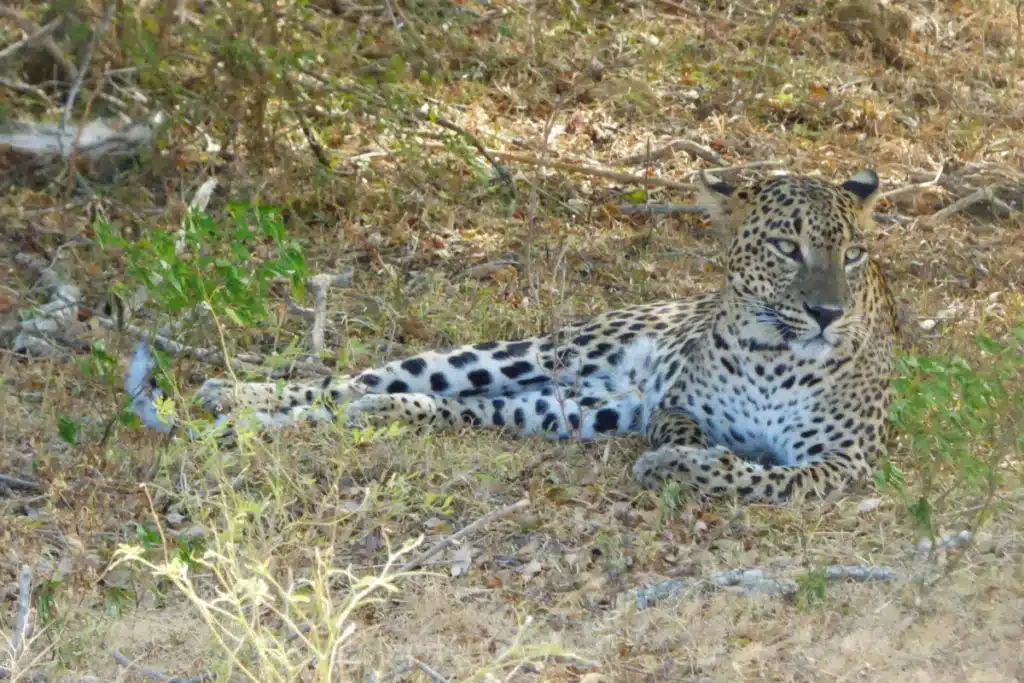
In April 2026 Mongabay described Block 1 as known for at least one leopard per square kilometre, most of them used to people and jeeps (Mongabay). No driver can promise you a leopard. Our wildlife photography guide compares the published leopard studies, and our older post on how to get to Yala National Park covers the journey.
Yala or Udawalawe? Yala or Wilpattu?
Choose Udawalawe if elephants come first. Wikipedia describes a herd of about 250 that stays in the park all year (Wikipedia), while Lonely Planet’s January 2026 article says more than 600 (Lonely Planet). The Elephant Transit Home sits beside the park, and our elephant orphanage guide compares it with Pinnawala.
Choose Wilpattu for leopards with more space: about 1,317 square kilometres, some 30 km west of Anuradhapura (Wikipedia). Love Sri Lanka’s page, updated in May 2023, says only a quarter is open and the last entry is 4.30pm, and cites a 2015 survey of at least 49 leopards (Love Sri Lanka). We’d pair it with the ancient cities rather than the south coast.
Choose Yala if a leopard is the animal you’d most regret missing, and accept the company.
Minneriya and Kaudulla: the elephant gathering
As the Minneriya reservoir shrinks in the dry season, herds come to graze the new grass on its bed. Love Sri Lanka’s page on the gathering counts more than 300 elephants and suggests going in the afternoon, between 3pm and 6pm (Love Sri Lanka). Its page on the park, however, gives May to September and around 200 at a time (Love Sri Lanka). Around September the herds move on to the Kaudulla tank (Wikipedia), so ask your driver which park has them that week. Our older Minneriya safari guide has more.
Birds, boats and walking
Bundala is a wintering ground for migrant water birds, with 197 bird species on record and greater flamingos in flocks of more than 1,000 (Wikipedia). Kumana’s swamp takes over from April, when tens of thousands of birds arrive (Love Sri Lanka).
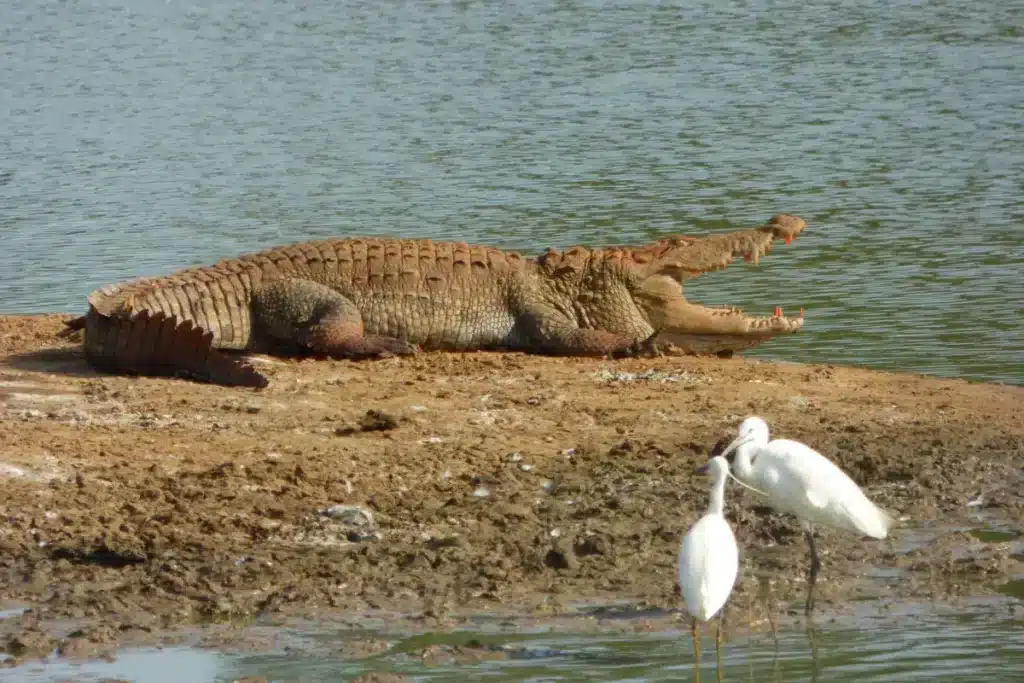
Gal Oya is the boat park. You can cross the Senanayake Samudraya by boat from Inginiyagala, and Bird’s Island in the reservoir is a nesting site (Wikipedia). The 2022 fee rules charge Rs 1,000 for a motor boat tour of up to eight people (Gazette 2292/11). Whales mean a boat from Mirissa, covered in our guide to whale watching in Mirissa.
Best time for a safari in Sri Lanka, season by season
Sri Lanka’s Department of Meteorology recognises two monsoons and two inter-monsoons (Sri Lanka Journal of Meteorology, January 2026).
- December to February, the north-east monsoon. Bundala’s winter migrants are in (Wikipedia), and Yala and Wilpattu reach their listed months in February (Love Sri Lanka on Yala and Wilpattu).
- March and April, the first inter-monsoon. Love Sri Lanka rates these Yala’s top two months (Love Sri Lanka), and our Sri Lanka in March guide has that month’s weather. Horton Plains’ season starts in March (Love Sri Lanka).
- May to September, the south-west monsoon. Kumana’s birds are in until July, when Yala’s listed months also end (Love Sri Lanka on Kumana and Yala). The gathering is at its height in August and September (Love Sri Lanka).
- October and November, the second inter-monsoon. Wilpattu’s listed months end in October (Love Sri Lanka).
How a safari works: jeeps, timings and permits
At Yala the drives are sold by hotels and guest houses in Tissamaharama, and most set off at 05:00 or 14:30 (Wikivoyage). Yala generally shuts from noon until 2pm, according to a visitor management report published on SLTDA’s site in December 2025 (SLTDA report). Daytime visiting hours under the 2022 regulations are 6am to 6pm (Gazette 2292/11). The online permit terms still say no entry before 5am and nobody inside after 6.30pm (permit terms).
A half day is the usual choice, though sources differ on its length. Lonely Planet says three or four hours at Udawalawe (Lonely Planet); a January 2020 listing on Wikivoyage says six (Wikivoyage). For Yala’s Block 1 it is easy to share a jeep and split the cost, but for Bundala you’ll likely need your own (Lonely Planet). With children or a long lens we’d book private, so you decide how long to wait.
You can buy permits ahead through the Wildlife Department’s online permit service. Each park has a limited number, paying online adds a convenience fee, and you must bring a printed permit to the gate (permit terms). Without a booked bungalow or the warden’s written approval to camp, a permit covers one day only (permit terms).
With children
Children under 6 go in free, and those aged 6 to 12 pay the child rate (Gazette 2292/11). In our view a morning half day is enough for most young children. Our list of family activities in Sri Lanka has gentler wildlife days too.
Sri Lanka safari cost: park fees and jeep hire
Park fees come from regulations gazetted in August 2022 (Gazette 2292/11), still the newest amendment in UNEP’s law database when we looked (UNEP LEAP).
| Charge | Amount for foreign visitors |
|---|---|
| Daytime entry, Yala, Udawalawe, Minneriya, Kaudulla, Wilpattu, Horton Plains | USD 25 an adult in the tourist season, USD 20 otherwise. |
| Child of 6 to 12, same parks | USD 15 in the tourist season, USD 10 otherwise. |
| Daytime entry, Bundala, Gal Oya, Kumana, Wasgamuwa | USD 12 an adult, USD 6 a child. |
| Under 6 | Free. |
| Service fee for a foreign group’s daytime visit | USD 10 per vehicle. |
| Jeep, van or double cab entering | Rs 300. |
Every row comes from Gazette 2292/11. The gazette makes each charge subject to government taxes without naming a rate, and the Director-General decides which months count as the tourist season. For example, two adults sharing one jeep into Yala in the tourist season owe USD 60 between them plus Rs 300, before tax.
Lonely Planet’s January 2026 article puts Udawalawe’s entrance at Rs 13,000 an adult (Lonely Planet). We couldn’t reconcile that with the gazette, so ask for the gate total, taxes included. The same article gives about Rs 10,000 plus a tip for a half-day jeep and guide there. Wikivoyage’s undated Yala listing gives Rs 4,000 to 6,000 for the jeep on top of admission (Wikivoyage). These are listings, not our quotes.

Park rules, crowding and how to behave
The 2022 regulations attach these conditions to every permit (Gazette 2292/11):
- Visitors must remain with the officer assigned to them by the park.
- Vehicles may not exceed 20 km/h.
- Nobody may cause a nuisance or disturbance in the park.
The December 2025 report gives Yala’s official limit as 30 km/h, not 20. It says the park’s rules are often not enforced, partly for lack of resources to patrol (SLTDA report). The permit terms also ban shouting, clapping, music and any noise likely to disturb an animal (permit terms). In June 2026 wildlife officers arrested five visitors found walking outside their jeeps in Yala and started legal action (Ada Derana). In September 2026 the department said it would take legal action against people feeding wild elephants on the Kataragama to Buttala road, which crosses Yala’s Block 2. It stressed that feeding wild animals is illegal (Ada Derana).
Crowding is worst in Yala’s Block 1. The same report describes up to 500 jeeps inside at once in the high season, nearly all in that block, with drivers sharing leopard sightings by radio (SLTDA report). In April 2026 the deputy environment minister told Mongabay the government was trying to limit jeeps to around 250 to 300 and planned to open less busy blocks. The warden said drivers are advised to switch the engine off near an animal (Mongabay). So ask for the engine off at a sighting, don’t push the driver to race to a radio call, and keep your voice down.
Questions about a Sri Lanka safari
Which is the best national park for a safari in Sri Lanka?
For leopards, Yala, the busiest park (Daily Mirror). For elephants, Udawalawe in any month or Minneriya in August and September (Love Sri Lanka on Udawalawe and the gathering). For birds, Bundala in winter (Wikipedia).
When is the best time for a safari in Sri Lanka?
Yala’s best months on Love Sri Lanka run from February to July (Love Sri Lanka), Wilpattu’s from February to October (Love Sri Lanka). For the elephant gathering, go in August or September (Love Sri Lanka).
How much does a Sri Lanka safari cost?
Under the 2022 fee rules a foreign adult pays USD 20 to 25 for each daytime entry to the busiest parks, plus a USD 10 service fee per jeep and taxes (Gazette 2292/11). The jeep is extra: Lonely Planet’s January 2026 figure for a half day at Udawalawe was about Rs 10,000 (Lonely Planet).
Is Yala closed in September?
In 2026 its two main blocks closed on 14 September because of drought (Ada Derana), and a reopening was announced for 16 October (Ada Derana). We found no rule that closes the park every September.
Plan your safari with us
We plan private trips from Weligama. With our Safari Excursion you get a private jeep and its driver in Yala or Udawalawe, and an early-morning pick-up at your hotel. The page lists what is included, and the cost of transport from your hotel is added. The longer Into the Wild tour takes in Wilpattu, an evening boat trip at Gal Oya, Yala and Sinharaja. Sri Lanka’s Big Five Game runs for ten days through Minneriya, Yala, Bundala and Udawalawe, then Sinharaja and a whale-watching boat off Mirissa. Tell us your dates and the animals you’re after through our contact page, and we’ll suggest the parks that fit.
Fees, closure notices, park seasons and permit rules were read at their sources on 19 October 2026. Closures and gate prices can change at short notice, so check again in the week before your safari.