The Sinhala and Tamil New Year 2027 is a two-day holiday, Tuesday 13 April and Wednesday 14 April, on the Central Bank of Sri Lanka’s 2027 holiday list. The government’s official list of auspicious times says the new year dawns at 3.29pm on 14 April; Ada Derana published that list on 25 August 2026. We checked both, and every other dated fact on this page, on 4 November 2026.
Key takeaways
- The neutral period runs from 9.05am to 9.53pm on 14 April 2027. The list asks people to set work aside until its second half, then light the hearth at 6.18pm and eat the first meal at 8.18pm.
- In 2026 the Excise Department closed liquor outlets on both New Year days. Approved hotels could still serve their foreign guests.
- Long-distance buses and trains fill up before and after the holiday, and in 2026 the state added extra services. On the two holiday days themselves, the railway cut back its trains.
- Sinhala Buddhists call the festival Aluth Avurudda and Tamil Hindus call it Puthandu. Many of the customs are shared.
The 2027 nekath times: the official list
Nekath are the auspicious times for each New Year ritual. The national Sinhala New Year nekath committee prepares them with the support of the Department of Cultural Affairs, part of Sri Lanka’s Ministry of Buddhasasana, Religious and Cultural Affairs. The Department of Government Information sent the 2027 list to the media on 25 August 2026, and Ada Derana published it as a PDF in Sinhala. The table is our English reading of it.
| Date (2027) | Time | What the list sets | Colour and direction |
|---|---|---|---|
| Fri 9 April | Not given | Looking at the new moon for the lunar new year | Not given |
| Mon 12 April | Not given | Bath for the old year, with divul (wood apple) leaf juice, then time spent remembering one’s chosen deities | Not given |
| Wed 14 April | 9.05am to 9.53pm | Neutral period (punya kalaya): eat before 9.05am, then set work aside for religious observances; the rituals below fall in its second half, from 3.29pm | Not given |
| Wed 14 April | 3.29pm | Dawn of the new year | Not given |
| Wed 14 April | 6.18pm | Light the hearth and cook milk rice with mung beans and a sweet | Green, facing north |
| Wed 14 April | 8.18pm | Start work, make the first transaction and eat the first meal | Green, facing north |
| Sat 17 April | 7.04am | Oil anointing: nuga (banyan) leaves on the head, karanda leaves at the feet, then a bath | Blue, facing north |
| Wed 21 April | 6.15am | Leave for work after eating milk rice with mung beans | Green, facing south |
| Thu 22 April | 11.38am | Plant saplings | Yellow or gold, facing north |
The list sets a second moon viewing, for the solar year, on Friday 7 May, again with no time. A footnote says the times are Sri Lanka standard time and hold for every part of the island.
Why the meal is in the evening in 2027
The old year does not end at midnight. Wikipedia describes a gap of usually 12 hours and 48 minutes while the sun crosses from Pisces into Aries, with the dawn at its halfway point. The 2027 times match: 9.05am to 9.53pm is 12 hours 48 minutes, and 3.29pm sits exactly in the middle, by our own arithmetic. The list puts the household rituals in the second half of that gap, from 3.29pm to 9.53pm. In 2026 the gap ran from 3.08am to 3.56pm and the first meal was at 12.06pm, eaten in red and facing south, News 1st reported. In 2027 the sequence shifts to the afternoon and evening, so our reading is that Wednesday daytime will probably be quiet, with many families at home or at the temple.
What the neutral period means
The nonagathe (or nonagathaya) is the Sinhala name for this gap. During it, people are expected to put all work aside and spend the time on religious observance, Ada Derana explained before the 2026 New Year. Cooking, lighting the hearth and the first transactions belong to its latter part. Roar Media wrote in 2018 that nobody works in the nonagathe, not even to cook.
Before it comes the last day of the old year. A 2018 Sunday Observer article lists a bath and the viewing of the moon that day, with drums and bells from the village temple. Homes are cleaned first, and Roar Media notes that many get a fresh coat of paint.
Avurudu customs, from the hearth to the oil
Lighting the hearth and kiribath
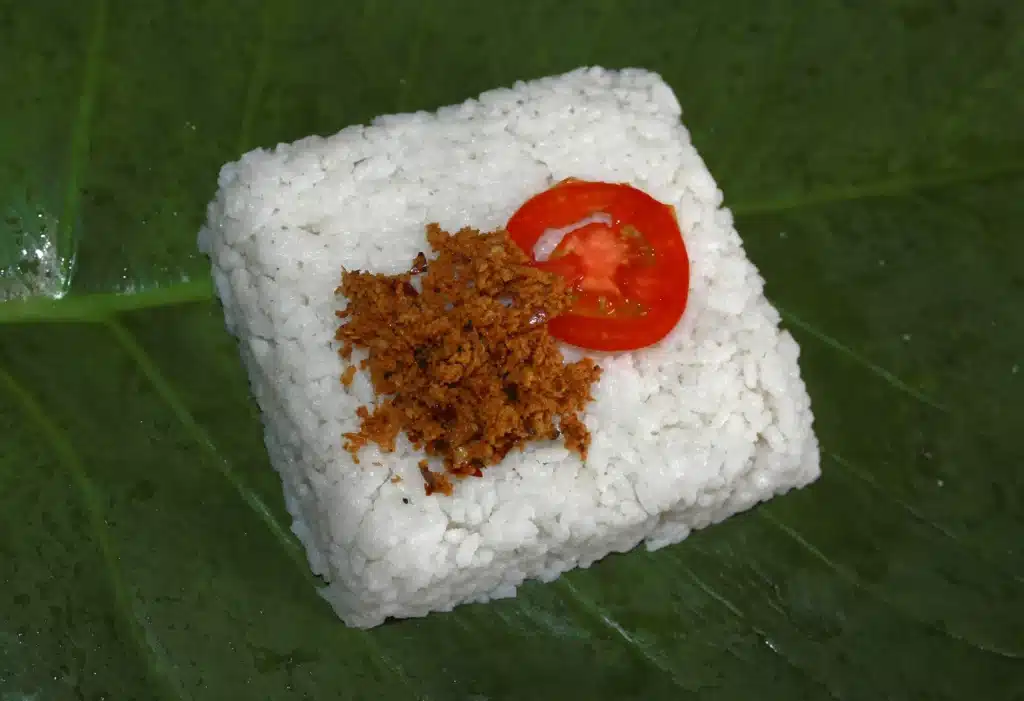
At the set time the woman of the house lights the hearth, facing that year’s direction, and either boils a pot of milk or cooks kiribath. Time Out describes the scene, says both stand for prosperity and notes that the direction changes from year to year. Kiribath is milk rice, which Roar Media says Sinhala families eat with hath maluwa, a dish of seven vegetables. For 2027 the list asks for milk rice with mung beans, cooked by people dressed in green.
Kokis, kavum and the Avurudu table
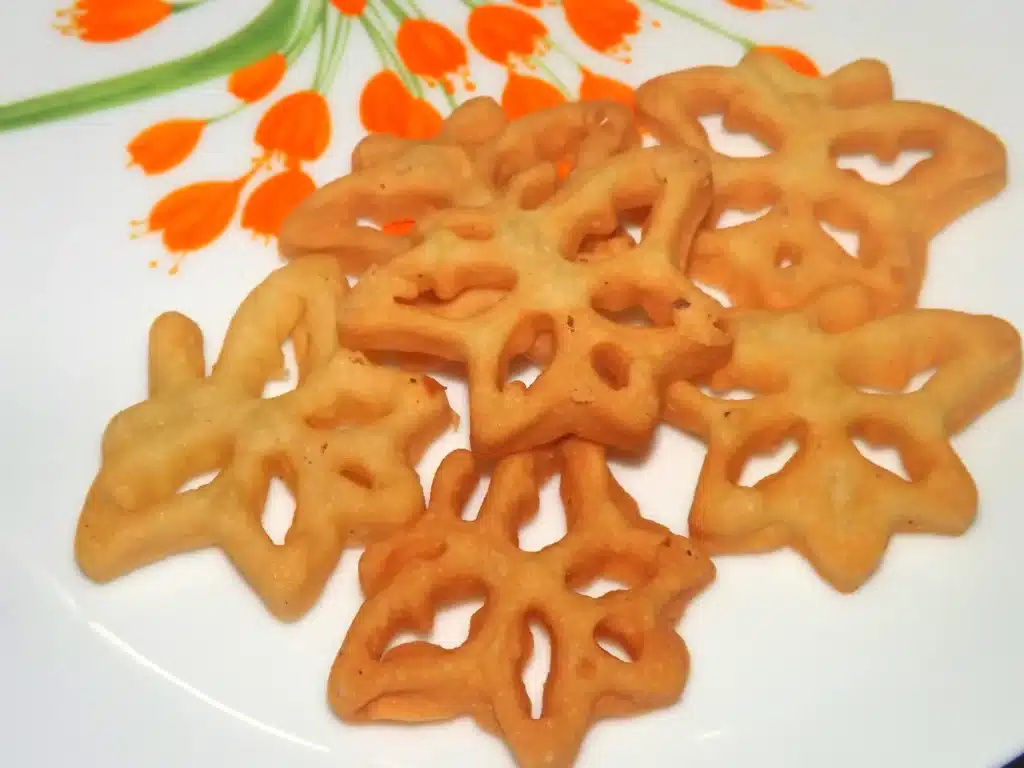
Families make the sweets days ahead. In Roar Media’s descriptions, kavum is a deep-fried oil cake of rice flour, treacle and sugar, and kokis a crisp, wheel-shaped snack of rice flour and coconut milk. Mung kavum is a diamond made with green gram flour; aluwa is a soft diamond of rice flour and treacle. Tamil households have their own sweets, which Roar calls palaharam, such as sesame balls and payatham urundai.
Neighbours swap plates of sweets. Time Out records the custom that a plate should never go back empty.
Betel, money and the first transaction
Children offer sheaves of betel leaves to their parents and elders and receive their blessings, the 2018 Sunday Observer article says. Elders give money in return, Time Out adds, and that is the year’s first transaction, the ganu denu.
Oil anointing
At the listed time an elder or a temple priest anoints each person’s head with oil, and a herbal bath follows, as Roar Media and Time Out describe it. Roar adds that the leaves for the bath depend on the weekday: divul on Mondays, nuga on Saturdays. The 2027 list keeps to that. The old-year bath is on a Monday with divul, and the anointing on Saturday 17 April with nuga.
Games, the koha and the erabadu
After the rituals people go out to play. Roar Media names kabaddi, kana mutti bindeema (breaking clay pots blindfolded) and kamba adeema (tug of war), which Sinhala and Tamil families both play. The Cinnamon Hotels blog adds kotta pora, a pillow fight, and climbing the greasy pole. The Sunday Observer mentions olinda keliya and the Avurudu Kumaraya, a figure in princely dress who stands for the new year.
From March the call of the koha, the Asian koel, is heard across the island, according to the Sunday Observer’s 2025 junior page. The same page says the red erabadu (Erythrina variegata, the coral tree) flowers in early April, and people take it as a sign that Avurudu is near.
Puthandu: the Tamil New Year
Puthandu is the Tamil New Year, the first day of the Tamil month of Chithirai. A 2021 Sunday Observer article on the Hindu New Year sets out the steps, and says the day’s work follows the panchangam, the traditional Hindu almanac.
- The women of the house wash the floor in front of the home with turmeric water and draw a kolam in rice flour, with a figure of Ganesha in the middle.
- Once the new year has begun, people bathe with maruthu neer, herbal water made with leaves, flowers and saffron. The article says only Hindu temples prepare and give it out.
- The family cooks pongal, a sweet milk rice, offers it to the Sun God and prays together.
- The head of the family gives each member a kai vishesham: a banknote, raw rice, a lime, a flower, kumkum and holy ash on a betel leaf.
According to Roar Media, Tamil families go to the kovil after the bath to make offerings. They also make pachadi, a sweet and sour mix of mango, spices, sugar and bitter neem leaves, meant to stand for the mix of things a year brings. Wikipedia’s Puthandu article adds a first ploughing of the ground, and por-thenkai, the coconut wars that young people play in villages across the Tamil north.
The holiday week for travellers
Liquor and bars
The Excise Department put both New Year days on its list of 19 dry days for 2026, the Daily Mirror reported in February 2026. On those two days, specific establishments could still sell to in-house guests. News 1st said the exemption covered only foreign guests at places approved by Sri Lanka Tourism: hotels of three stars or more with liquor licences, and licensed boutique villas. We found no 2027 dry-day list on 4 November 2026. Bak poya falls on Tuesday 20 April 2027, and all 12 poya days were dry days in 2026.
Buses and trains
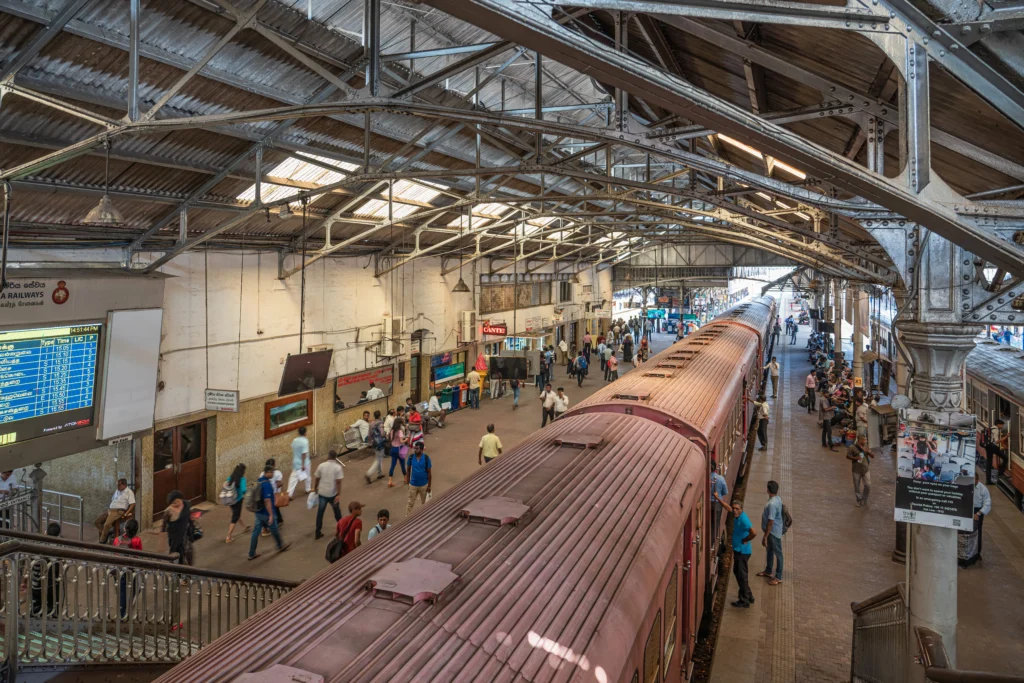
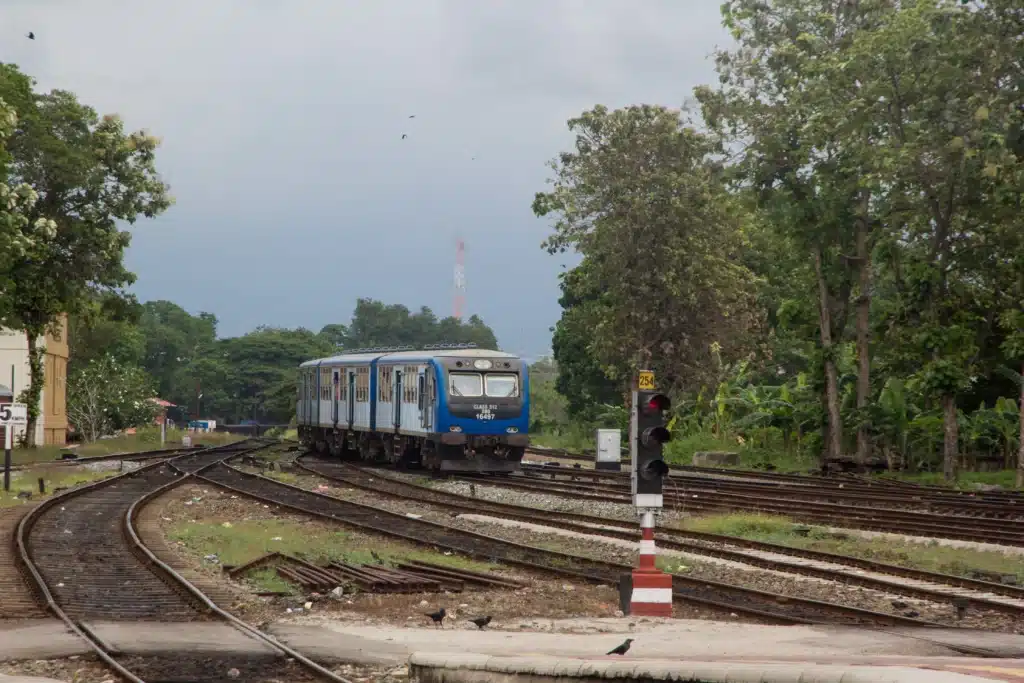
Sri Lankans travel home for the New Year. In 2026 the Sri Lanka Transport Board added nearly 1,500 buses, News 1st reported on 9 April. Special trains left Colombo until 12 April, and a return timetable was planned for 15 to 20 April. For 13 and 14 April 2026, however, the railway said it would run fewer trains because fewer people were leaving Colombo, Ada Derana reported, though express, mail and intercity services ran as usual. The return rush started on 15 April, with extra buses to 20 April and special trains to 19 April, News 1st said. The 2026 list set the return to work for 20 April, Ada Derana said, and the 2027 list sets 21 April, so the return rush may run a day later. Our Kandy to Ella train guide explains how to book reserved seats, and our Sri Lanka travel updates give the hill-country line’s status.
Shops, banks and hotels
Both days are bank, public and mercantile holidays on the Central Bank list, and every weekend day is a bank holiday. We found no official source on how long shops stay shut afterwards, so ask your hotel what will be open nearby. Draw cash before Tuesday 13 April; our money guide covers ATMs and cards.
Some hotels and resorts put on their own Avurudu programmes, as the listings below show. That lets a visitor see the customs without intruding on a family.
Where visitors have seen the games and events
These are past events, not 2027 announcements.
- NH Bentota Ceysands Resort in Bentota advertised an Avurudu day for 14 April 2026, from 10am to 5pm, with traditional games and dance, the Daily FT reported.
- City of Dreams Sri Lanka in Colombo held four days of Avurudu events from 11 to 14 April 2026, built around a ceremonial lamp lighting, according to the Daily FT.
- On 15 April 2023 the Tourism Ministry and the Tourism Promotion Authority sponsored “New Year in Paradise” on Unawatuna Beach. It held New Year games for foreign tourists and had a village kitchen making sweets, the Daily News reported.
Wikipedia says media companies also organise New Year festivals in different parts of the country during April, so ask at your hotel.
New Year etiquette for visitors
GOV.UK’s travel advice, updated on 21 September 2026 and still current when we checked, covers temple visits. Inside a Buddhist temple, keep both shoulders and legs covered, and leave hats and shoes at the entrance. It warns against having your picture taken in front of a Buddha statue. It also says that disrespecting Buddhist images is a serious offence, one that can end in arrest.
On religious holidays, the page says, you will not usually find alcohol for sale, and drinking it in public on such days can come across as insensitive. It says attacks cannot be ruled out, lists public holidays, religious occasions and large gatherings among the places they could happen, and advises avoiding crowded places. Our Sri Lanka safety guide has the rest.
If a family hands you a plate of sweets, remember the custom about returning it: the plate should not go back empty.
Planning a 2027 trip around the New Year
To see the shopping and the sweet-making, arrive a few days before 13 April. Avoid long trips between towns from about 9 to 12 April and from 15 to 21 April. In 2026 the extra services ran on the matching days, and the 2027 return to work is a day later. If you land during the holiday week, arrange your airport transfer ahead; our Colombo airport taxi guide sets out the options.
For weather and where to go that month, read our Sri Lanka in April guide. Our Sri Lanka public holidays guide lists every 2027 holiday, and our Sri Lanka festivals guide covers the year’s other events.
If you would like a route that fits around the holiday week, send us your dates and tell us which customs you hope to see.
Sinhala and Tamil New Year: questions
What are the dates of the Sinhala and Tamil New Year 2027? Tuesday 13 April is the day before New Year and Wednesday 14 April is New Year’s Day, both holidays on the Central Bank list. The new year dawns at 3.29pm on the 14th, by the official list.
What are the 2027 nekath times? The neutral period runs from 9.05am to 9.53pm on 14 April. The hearth is lit at 6.18pm and the first meal is at 8.18pm, both in green and facing north. Oil anointing is at 7.04am on Saturday 17 April.
Is everything closed at Sinhala and Tamil New Year? Both days are bank and public holidays. In 2026 liquor outlets shut on both days, though approved hotels could serve foreign guests. We found no official figure for how long shops close.
Is it a good time to visit Sri Lanka? It can be, with some planning. Book transport early, avoid the busiest travel days before and after, and expect fewer trains on the two holiday days. A hotel programme is an easy way to see the customs.
Do Sinhala and Tamil families celebrate the same way? Much is shared: cleaning the home, the first meal and gifts from elders. Tamil Hindus follow their own almanac and add the kolam, maruthu neer from the kovil and the kai vishesham.
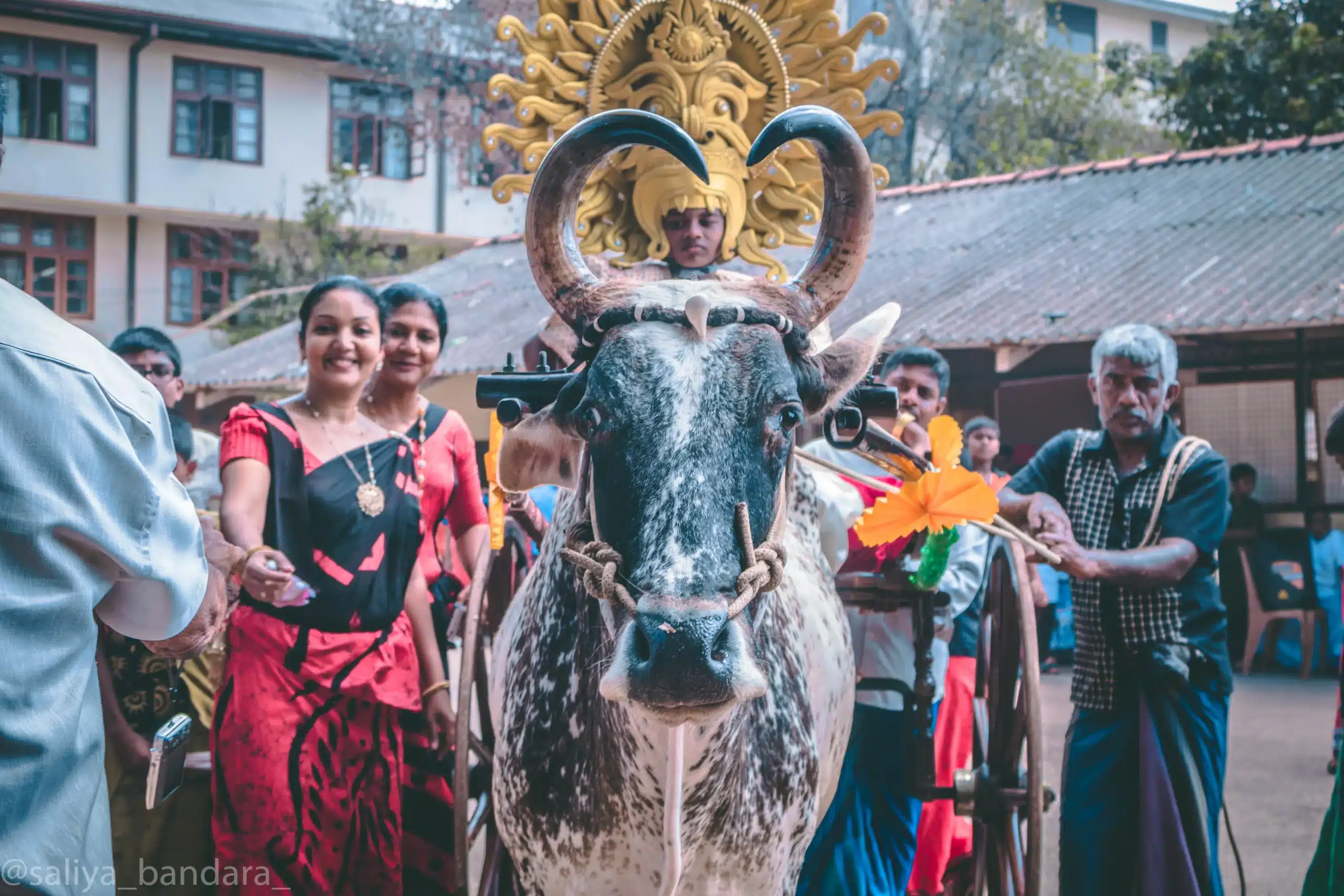
Hero photo: traditional Sri Lankan New Year celebrations, photographed on 5 April 2019, by Saliya Bandara, CC BY-SA 4.0, via Wikimedia Commons.