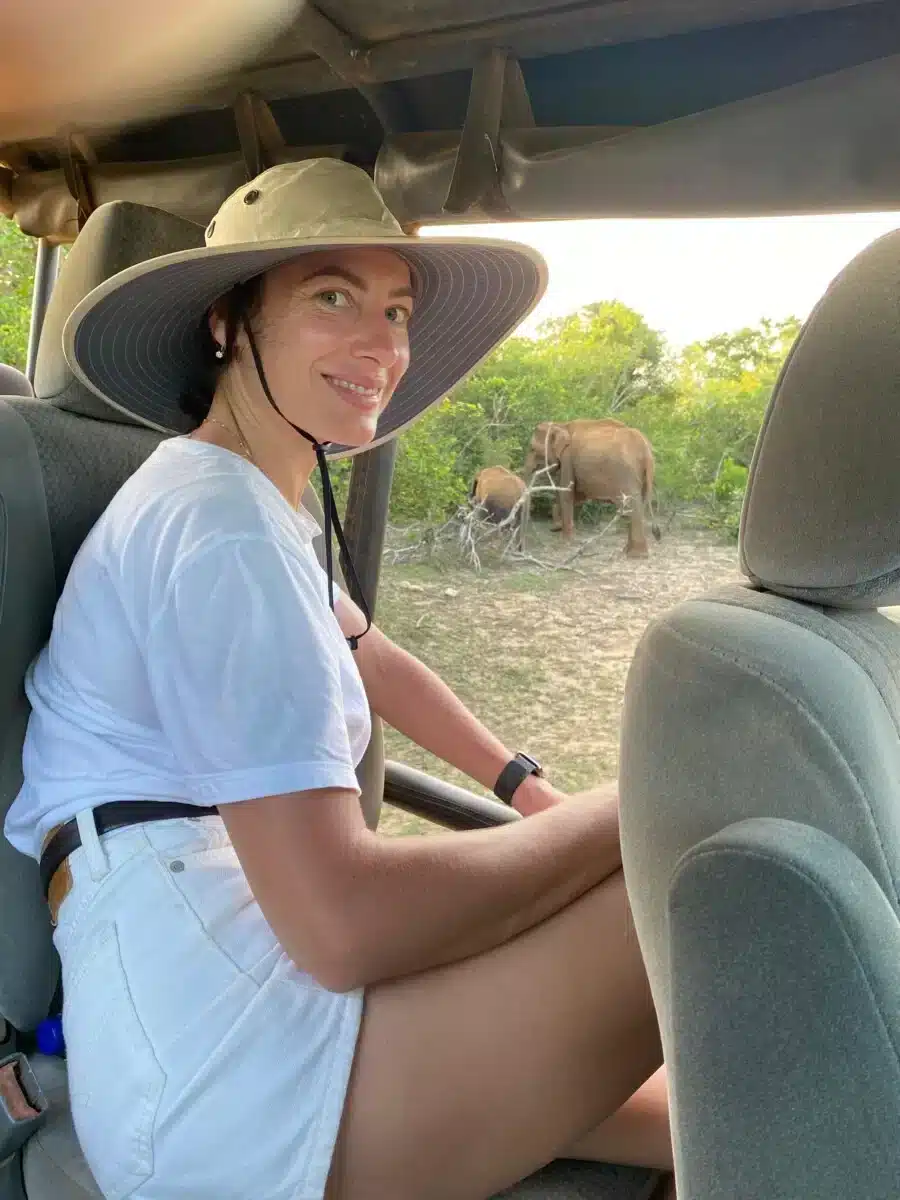
A Minneriya National Park safari is a jeep drive around a third-century reservoir in Sri Lanka’s North Central Province (Sri Lanka Tourism). Wikipedia gives the park 8,889 hectares, a sanctuary from 1938 and a national park since 1997, protected to guard the Minneriya tank’s catchment (Wikipedia). Its draw is the elephant gathering: as the tank shrinks in the dry season, herds graze the exposed grass. Love Sri Lanka’s gathering page picks August and September as the months to go (Love Sri Lanka). Jeeps go in for a morning or an afternoon drive, inside the 6am to 6pm daytime window fixed by the 2022 fee regulations (Gazette 2292/11).
Key takeaways
- Love Sri Lanka’s gathering page gives July to October as the dry months of the gathering and singles out August and September. Its park page says May to September. Neither is a promise.
- Counts fell from 402 elephants in September 2017 to 20 by September 2021, after dry-season water releases kept the lakebed flooded. A Daily FT report in November 2025 said the water authorities had undertaken in court to restore the old water levels.
- A foreign adult’s daytime entry costs USD 25 in the tourist season and USD 20 otherwise, with USD 10 per vehicle in service charges, then tax, on top. A morning and an afternoon drive are two entries.
- Habarana is 15 to 25 minutes from the park gate by road, Sigiriya 30 to 40.
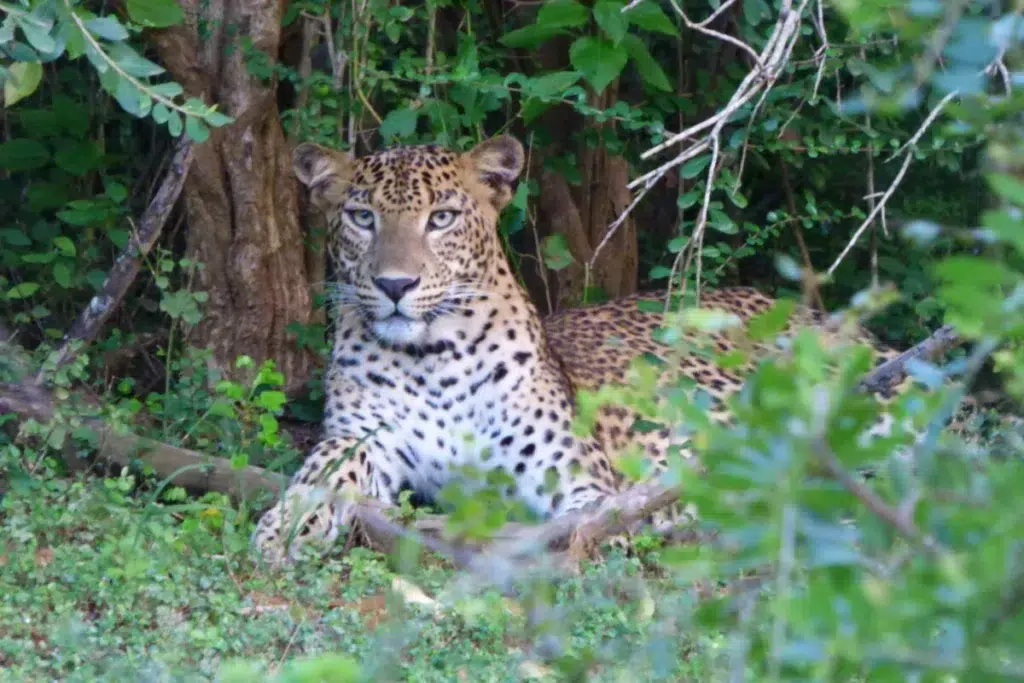
- Choose Minneriya, or neighbouring Kaudulla, for elephant herds. Choose Yala for leopards, and check its blocks first: Blocks 1 and 2 shut for dry weather on 14 September 2026, and Ada Derana reported a 16 October reopening date.
Minneriya National Park in brief
| Fact | Detail |
|---|---|
| Area | 8,889.4 ha; national park since 12 August 1997, a sanctuary since 1938 (Wikipedia) |
| The tank | Built by King Mahasen in the third century AD (Sri Lanka Tourism) |
| Gate | On the A11, the Habarana to Polonnaruwa road (Wikivoyage; Wikipedia) |
| Daytime visits | 6am to 6pm (Gazette 2292/11) |
| Visitors in 2025 | 155,146, about half of them foreign (SLTDA) |
The Minneriya elephant gathering: why it happens and when
The tank was built to irrigate paddy fields (Love Sri Lanka). In the dry season its level drops, fresh grass comes up on the bed, and small herds from the surrounding parks walk in and merge into large ones. When the rains return, they spread back into the jungle (Sri Lanka Tourism). Wikipedia places the dry season from May to September and the wet season in the north-east monsoon, from October to January (Wikipedia).
The sources do not agree on the months:
- Sri Lanka Tourism’s own page: May to October (Sri Lanka Tourism).
- Love Sri Lanka’s park page: May to September, around 200 elephants at a time (Love Sri Lanka).
- Love Sri Lanka’s gathering page: the dry months of July to October, singling out August and September (Love Sri Lanka).
- Lonely Planet, January 2026: April to October, with elephants possible in other months too (Lonely Planet).
Head counts vary as much. Wikipedia gives 150 to 200, while noting reports of up to 700 (Wikipedia), and Love Sri Lanka says more than 300 (Love Sri Lanka). For a first trip we’d aim for August or September, the two months every one of these sources includes, and treat any number as a chance.
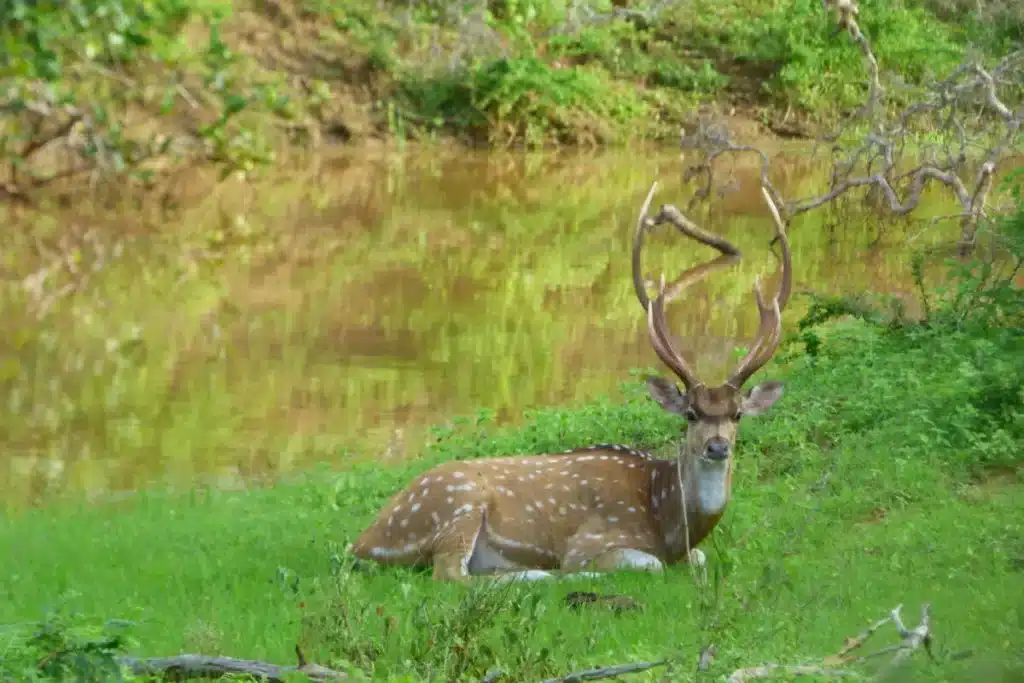
Why the gathering shrank, and what has changed
The Wildlife Department’s 2026 magazine, citing its former Director General Sumith Pilapitiya, says the gathering is no longer seen in its original form. He blames water released from the Moragahakanda project since 2019, which fills the tank early in the dry season. With the tank nearly full by September, the herds stop gathering there (DWC, Sri Lanka Wildlife 2026). The Daily FT reported in November 2025 that a count of 402 elephants in September 2017 had fallen to 20 by September 2021 (Daily FT).
That report covered a case the Wildlife and Nature Protection Society brought in the Court of Appeal. The Mahaweli Authority and the Irrigation Department undertook to let the tanks rise and fall in their old natural pattern, and the society said that would fully restore the gathering (Daily FT). When we searched on 24 October 2026, we found no official count for the 2026 season. Ask your hotel or driver how the herds have been in the week you travel.
Minneriya, Kaudulla or Hurulu: which park on the day
The herds do not stay put. Love Sri Lanka’s Kaudulla page expects the larger herds at Minneriya during August, then at Kaudulla during September (Love Sri Lanka). Wikipedia also has the elephants moving on to the Kaudulla tank around September (Wikipedia). The two parks are linked by an elephant corridor (DWC, Sri Lanka Wildlife 2026).
So the park is often chosen on the day. In a listing updated in August 2024, Wikivoyage’s Sigiriya page says most hotels can book a morning or evening jeep and tell you where more elephants are being seen (Wikivoyage). Kaudulla covers 6,900 hectares and has been a national park since 2002, and Love Sri Lanka recommends it because fewer vehicles go there (Love Sri Lanka). Hurulu Eco Park, the third option, is cut from the edge of the Hurulu Forest Reserve and runs jeep safaris (Wikipedia). Lonely Planet puts its entrance 2.5 km north of Habarana junction (Lonely Planet).
Agree the park before you pay. A permit is good for one entry to one park (Gazette 2292/11), so a switch after you have paid means a second fee.
Minneriya safari timings and how a drive works
Under the 2022 regulations, a daytime visit to a national park runs from 6am to 6pm (Gazette 2292/11), and Wikivoyage’s listing for the visitor entrance gives the same hours (Wikivoyage). By contrast, the park page on Love Sri Lanka gives 6am to 6.30pm, all year (Love Sri Lanka). The online permit terms say nobody may enter before 5am or after 6pm, and anyone still in the park must be out by 6.30pm (permit terms). Ask at the gate which closing time applies.
Most drives fall into two slots:
- Afternoon. Love Sri Lanka suggests 3pm to 6pm, because the elephants avoid the sun by day, and the drive it describes ends at the lake at sunset (Love Sri Lanka). Wikivoyage also names 15:00 to 18:00 as their most active time (Wikivoyage).
- Morning. Lonely Planet rates early mornings best for birds (Lonely Planet).
Expect forest first. Lonely Planet describes a 40-minute ride on a poor dirt track through dense forest, where little is seen, before the tank opens out (Lonely Planet). Most people book through their guesthouse, and Lonely Planet says you can also deal with 4WD owners at the gate (Lonely Planet).
You can also buy a permit ahead through the Wildlife Department’s online service. Online payment adds a convenience fee, every driver and guide must be named, and you need a printout of the permit to get in (permit terms).
Minneriya safari cost: park fees and jeep listings
Minneriya and Kaudulla are both in Category I of the fee schedule gazetted in August 2022, alongside Yala and Udawalawe (Gazette 2292/11).
| Charge (foreign visitors) | Tourist season | Rest of the year |
|---|---|---|
| Adult, each daytime entry | USD 25 | USD 20 |
| Child of 6 to 12, each daytime entry | USD 15 | USD 10 |
| Child under 6 | Free | Free |
| Service fee per vehicle, daytime | USD 10 | USD 10 |
Each row comes from Gazette 2292/11. Government taxes are added on top, and the Director-General decides which months are the tourist season. A couple sharing one jeep in the tourist season would owe USD 60 in fees before tax, with the jeep extra.
Lonely Planet’s January 2026 article, describing jeeps hired from 4WD owners at the gate, adds “roughly 10,000 Sri Lankan rupees for an adult entry fee” (Lonely Planet). It does not say whether that sum covers the park fee, the jeep or both, so we have not used it in the sum above.
Jeep prices are listings, not our quotes. Wikivoyage’s Sigiriya page (August 2024) gives EUR 160 to 200 for one jeep carrying two or three people, in a listing for safaris that most hotels can book (Wikivoyage). Ask for one written total that splits park fees, service fee, taxes and the jeep, and says whether it is per person or per vehicle.
Getting to the Minneriya gate from Sigiriya, Habarana, Dambulla and Polonnaruwa
The gate sits on the A11 between Habarana and Polonnaruwa (Wikipedia). We ran each leg through OpenStreetMap’s planner, which assumes empty roads, so the ranges start above its time. They match our Cultural Triangle guide.
| From | Distance | Usual drive |
|---|---|---|
| Habarana | 9 km | 15 to 25 minutes |
| Sigiriya | 21 km | 30 to 40 minutes |
| Dambulla | 33 km | 40 to 50 minutes |
| Polonnaruwa | 35 km | 40 to 50 minutes |
Buses between Polonnaruwa and Dambulla, Kandy or Anuradhapura pass the entrance (Lonely Planet). Sigiriya makes an easy pairing: our Sigiriya guide suggests climbing the rock early, which leaves the afternoon free for the park. For rain and temperatures by region in the gathering months, see Sri Lanka weather by month.
Minneriya or Yala?
The two suit different trips.
| Park | Best known for | Months sources give |
|---|---|---|
| Minneriya | Herds on the tank bed in the dry season | July to October; best August and September |
| Kaudulla | Elephants, with fewer vehicles | September to October |
| Yala | One of the world’s highest leopard densities | February to July; best March and April |
The Minneriya row comes from Love Sri Lanka’s gathering page, the Kaudulla row from its Kaudulla page. For Yala, Wikivoyage gives the leopards and Love Sri Lanka the months. As bases, Lonely Planet names Polonnaruwa or Sigiriya for Minneriya (Lonely Planet), Love Sri Lanka puts Kaudulla about an hour from Sigiriya (Love Sri Lanka), and Wikivoyage sends Yala visitors to Tissamaharama (Wikivoyage).
Yala is far busier: 772,764 visitors in 2025 against Minneriya’s 155,146 and Kaudulla’s 81,112 (SLTDA). The two are a long way apart. Sigiriya to Tissamaharama is about 270 km, usually 5.5 to 7 hours by road, and the routes are set out in our how to get to Yala National Park page.
Check Yala’s status before you plan around it. A dry-weather closure of Blocks 1 and 2 began on 14 September 2026 (Ada Derana), and an Ada Derana report of 13 October said they were scheduled to reopen on 16 October (Ada Derana). When we searched on 24 October 2026, we found no report confirming it had happened. In our view, pick Minneriya in August and September if elephants matter most, and Yala if a leopard is the animal you would most hate to miss. Our Sri Lanka safari guide compares nine parks, and our wildlife photography guide adds light and lenses.
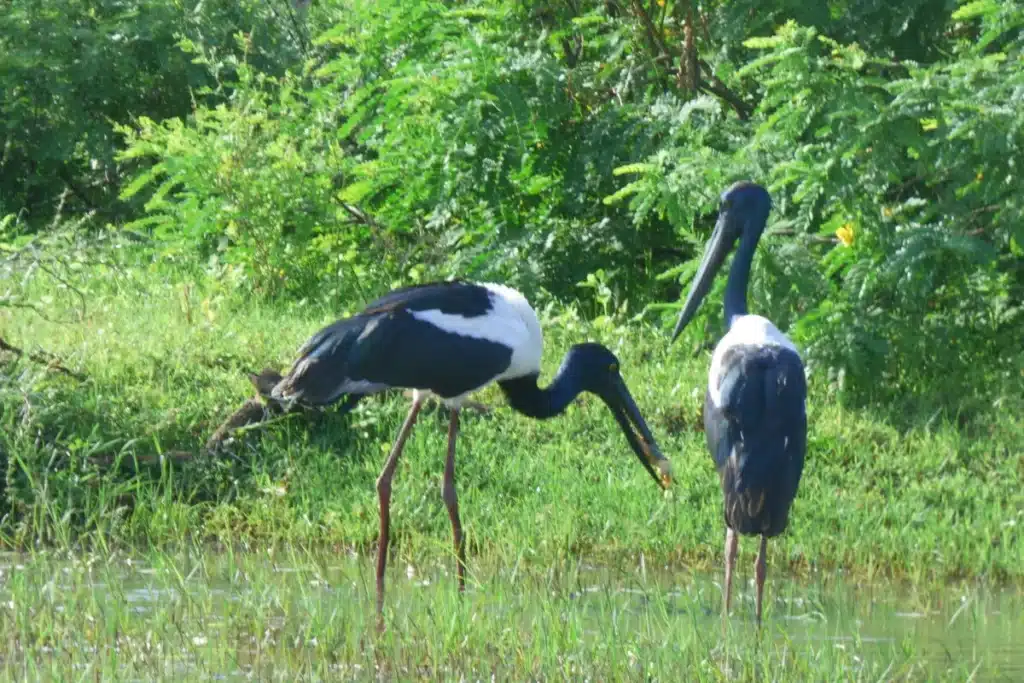
Crowding at the gathering, and how to behave
The jeeps can get in the herds’ way. In a July 2025 interview with The Morning, photographer and conservationist Chitral Jayatilake described times with more than 200 jeeps in the Minneriya area, lined up in columns that stop elephants reaching the water. He also described about 120 jeeps entering on one road in 2024 and leaving the same way (The Morning).
The permit conditions in the 2022 regulations set the basic rules (Gazette 2292/11):
- Remain with the park officer assigned to your group.
- Keep vehicles to 20 km/h or less.
- Cause no nuisance or disturbance.
The online permit terms add a ban on shouting, clapping, music or other noise that could upset wildlife (permit terms). Our own advice: ask the driver not to cut across a herd’s path to the tank, and be content to watch from further back. If seeing elephants up close matters more than seeing them wild, our elephant orphanage guide compares Pinnawala with the Udawalawe Elephant Transit Home.
Questions about a Minneriya safari
What is the best month for the Minneriya elephant gathering?
August and September, on Love Sri Lanka’s gathering page, which gives July to October as the season (Love Sri Lanka). By September the herds may have moved on to Kaudulla (Wikipedia), and in some recent years an early-filled tank has broken up the gathering (DWC, Sri Lanka Wildlife 2026).
What are the Minneriya National Park safari timings?
The 2022 regulations allow daytime visits between 6am and 6pm (Gazette 2292/11), though Love Sri Lanka’s park page gives a 6.30pm close (Love Sri Lanka). For elephants, Love Sri Lanka recommends 3pm to 6pm (Love Sri Lanka). Early mornings suit birdwatching (Lonely Planet).
Is Minneriya better than Yala?
For elephant herds, Minneriya in season; for leopards, Yala, where Love Sri Lanka suggests going between February and July (Love Sri Lanka). Yala drew about five times as many visitors in 2025 (SLTDA). Dry weather shut Blocks 1 and 2 of the park on 14 September 2026, and a 16 October reopening was reported (Ada Derana), so check them before you book.
Is Minneriya worth visiting outside the gathering season?
Sri Lanka Tourism says yes: elephants are seen all year, though in smaller numbers. It lists more than 170 bird species, including painted storks and spot-billed pelicans at the reservoir (Sri Lanka Tourism).
Plan a Minneriya safari with us
We’re a Weligama-based team planning private trips around the island with a car and a driver-guide. Our ten-day Sri Lanka’s Big Five Game tour goes north to Minneriya first, then on to Nuwara Eliya, Yala, Bundala and Udawalawe. Or take our 10-day itinerary: it gives Sigiriya two nights, which in our view leaves room for an afternoon at the tank. Tell us when you travel and which animals matter most on our contact page, and we’ll propose a park and a time of day.
Fees, opening hours, seasons and Yala’s status were read at the linked sources on 24 October 2026. Gate charges, permit rules and water levels change, so ask for an up-to-date picture in the week before you go.