Understanding the sri lanka monsoon season is the secret to unlocking the perfect island getaway. Many travellers fear that tropical rains will wash out their holiday. However, because our weather moves in distinct regional patterns, you can always find sunshine somewhere on the island. In this guide, you will learn exactly when and where to travel for the best experience.
What months are the monsoon season in Sri Lanka? Sri Lanka actually experiences two distinct monsoons. The southwest monsoon brings rain to the west and south coasts from May to September. Meanwhile, the northeast monsoon affects the east and north coasts from October to February. As a result, the island is a fantastic year-round destination.
Key Takeaways
- Two distinct seasons: Sri Lanka weather alternates between two main monsoons, meaning half the island is practically always dry and sunny.
- Follow the sun: Head east from May to September, and stick to the south or west coasts from December to March.
- Fewer crowds: Travelling during a rainy period often means cheaper hotel rates, lush green landscapes, and a wonderfully quiet experience.
- Pack smart: Always bring a light rain jacket, breathable cotton clothing, and slip-on shoes for quick temple visits.
Is It A Good Idea To Visit During the Sri Lanka Monsoon Season?
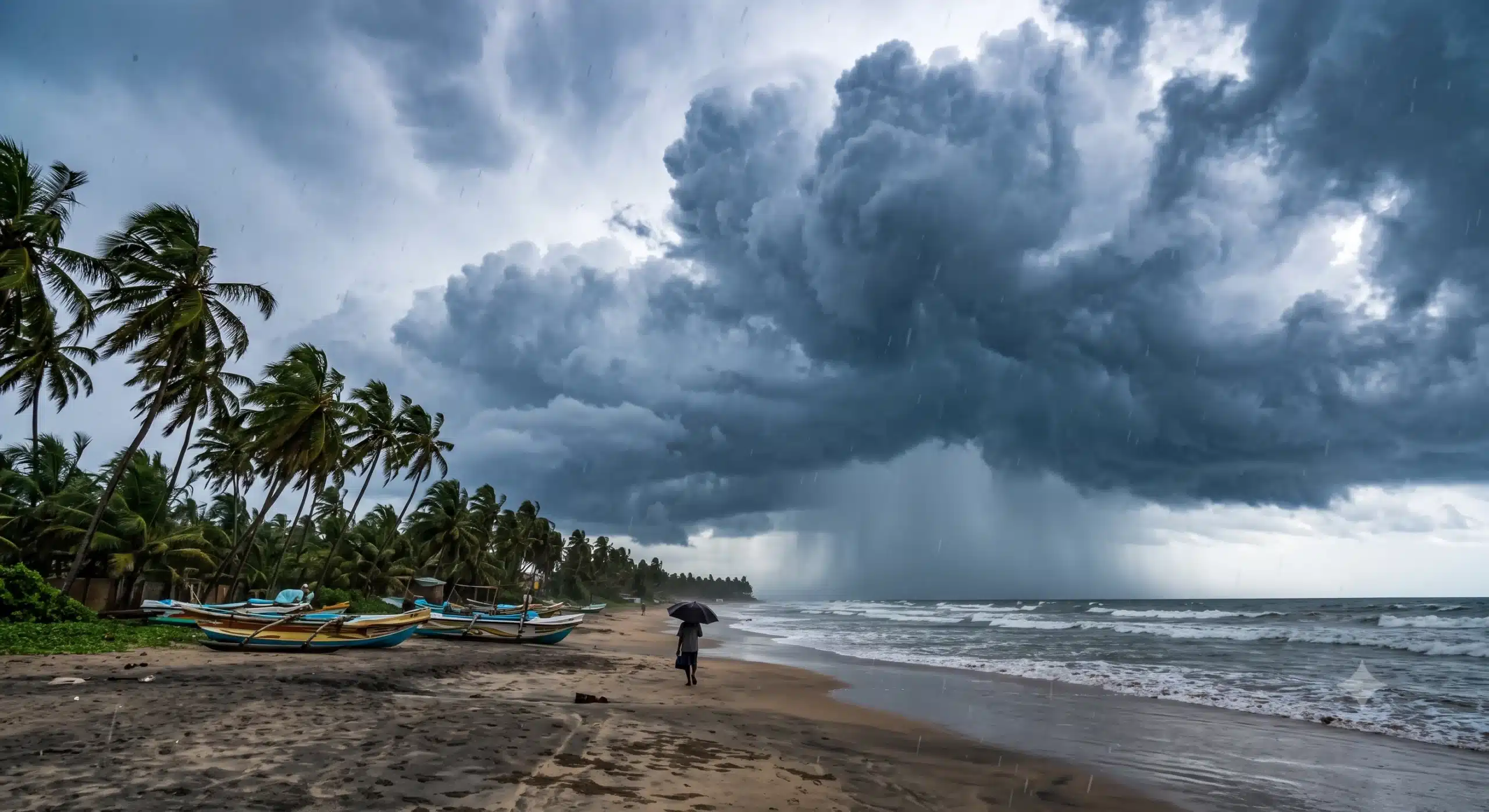
Yes, absolutely. Many people assume a tropical rainy season means non-stop, day-long downpours that trap you in your hotel room. In reality, a rainy season here usually involves bright, sunny mornings followed by a sharp, heavy shower in the late afternoon. After the rain passes, the air clears up beautifully and temperatures drop to a comfortable level.
Say you land in Colombo on a Tuesday morning in June. You might experience a quick thunderstorm while enjoying your afternoon tea at a local café. By dinner time, the sky is clear, the breeze is cool, and the sunset over the Indian Ocean is spectacular.
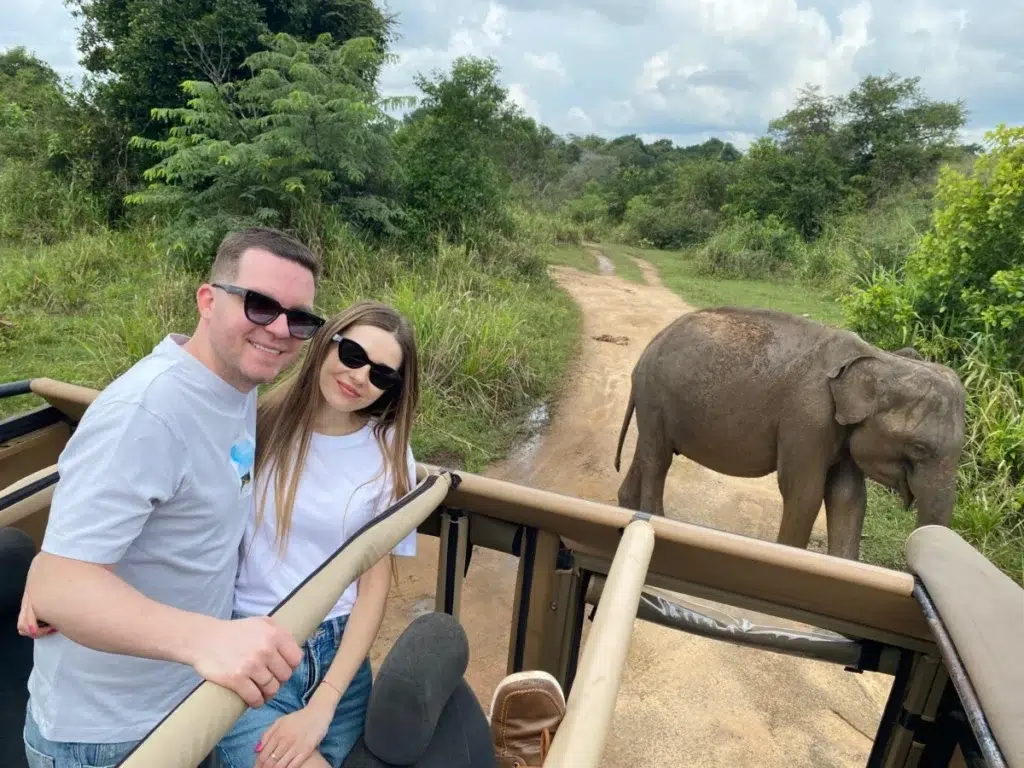
Because the rains are predictable, you can easily plan your day around them. Plus, travelling during the wetter months gives you a distinct advantage. You will share popular spots with far fewer tourists. For example, taking a wildlife safari in Yala or Udawalawe during the shoulder season often yields incredible animal sightings without the chaotic traffic jams of safari jeeps.
Understanding Sri Lanka Weather: The Two Main Monsoons
To figure out the best time to visit Sri Lanka, you just need to understand our two main wind systems. Think of the island as having a weather see-saw. When one side of the country is wet, the opposite side is usually completely dry.
The Southwest Monsoon (Yala Season)
The southwest monsoon generally runs from May through September. During these months, heavy winds blow in from the Indian Ocean, bringing moisture to the western and southern coastlines. Places like Colombo, Galle, Mirissa, and Bentota will see frequent rain and rough seas.
However, the towering central mountains act as a giant protective wall. They block these rain clouds from ever reaching the eastern half of the country. Consequently, the east coast enjoys brilliant, dry weather. This is the absolute best time to visit Trincomalee, Pasikudah, or the famous surf breaks of Arugam Bay.
The Northeast Monsoon (Maha Season)
Conversely, the northeast monsoon sweeps across the island from October to February. It brings significant rain to the eastern and northern regions. The winds surge in from the Bay of Bengal, making the seas on the east coast choppy and unsafe for swimming or diving.
During this exact same time, the west and south coasts step into the spotlight. The skies over Galle, Unawatuna, and Weligama become clear and bright blue. The ocean turns calm, warm, and inviting. Because of this perfect beach weather, this period remains the peak season for international visitors escaping the freezing northern hemisphere winter.
The Best Time to Visit Sri Lanka
The ideal time for your trip entirely depends on the specific regions you want to explore. If you are desperate to surf the famous point breaks of Arugam Bay on the east coast, you must visit between June and August. On the other hand, if you want to spot blue whales and snorkel with turtles in the south, you should plan your trip between December and March.
Our Sri Lanka tours are completely customizable so we can help you chase the good weather. We use our 10+ years of local expertise to route you toward the sunshine. In my professional opinion as a local guide, the so-called “inter-monsoon” months of March and April are the absolute sweet spot. The winds shift gently, the entire island is largely accessible, and the weather is generally very calm.
Highlights & Must-See Spots by Season
Planning a successful itinerary means matching your dream destinations with the correct weather window. Here is a quick breakdown to help you decide when to book your flights.
December to March (South & West Focus):
- Galle Fort: Wander the beautifully preserved cobbled streets of this 16th-century Dutch fortress. You can check the UNESCO World Heritage site for historical details before you go.
- Mirissa: Book a snorkelling excursion in the crystal-clear southern waters to swim alongside vibrant coral reefs and sea turtles.
- The Hill Country: Take the famous, incredibly scenic blue train from Kandy to Ella. The sweeping tea plantation views are stunning when the mountain skies are clear.
May to September (East & North Focus):
- Trincomalee: Enjoy pristine, white-sand beaches, calm waters, and world-class whale watching far from the southern rain.
- The Cultural Triangle: Explore legendary ancient cities like Sigiriya, Dambulla, and Polonnaruwa. Because they sit in the central “dry zone,” they easily dodge most of the heavy southwest rains.
- Minneriya National Park: Witness the famous “Elephant Gathering” in August, where hundreds of wild elephants meet around the reservoir. You can learn more about our protected reserves through the Department of Wildlife Conservation.
Practical Planning: Visas, Costs, and Getting Around
Dealing with the sri lanka monsoon season is just one part of planning your dream getaway. You also need to handle the practical logistics. Let us walk through the essentials so you feel fully prepared before you land.
Visa and Safety Basics
Before you pack your bags, you must secure your travel visa. The process is fully digital and generally quite straightforward for most nationalities. Always use the official Sri Lanka government e-visa portal (eta.gov.lk) to apply. Ensure you confirm the current rules and entry fees directly on that site, as third-party agencies often charge massive, unnecessary markups.
Sri Lanka remains a very safe destination for international tourists. Locals are famously warm and hospitable. However, you should always respect the ocean. Pay close attention to red warning flags on the beach, especially during the monsoon months when hidden undercurrents are incredibly strong. For official travel guidelines and safety updates, you can browse Sri Lanka Tourism.
Getting Around and Travel Costs
Transportation here is an exciting adventure in itself. You can choose from scenic trains, colorful open-air tuk-tuks, or comfortable private cars. For maximum comfort and flexibility, especially when dodging sudden afternoon showers, we highly recommend hiring a private driver. Check out our options for private transport with experienced, English-speaking local chauffeurs.
Travel costs vary widely based on your personal travel style. A budget backpacker might spend $40 to $60 USD a day. Mid-range comfort usually sits around $100 to $150 USD daily, including meals and transport. Luxury boutique hotels will obviously push your budget higher. Traveling during the rainy season often secures you excellent discounts of 20% to 30% on high-end accommodation.
What to Pack and Cultural Etiquette
Packing for the tropics requires a clear strategy, particularly when preparing for the sri lanka monsoon season. You want clothes that can handle both intense, sticky heat and sudden, heavy downpours. Leave the heavy denim jeans and thick sweaters at home.
- Clothing: Bring lightweight, loose cotton or linen garments. They dry very quickly and keep you cool in high humidity.
- Rain Gear: A compact travel umbrella and a light, breathable rain jacket are absolutely essential for afternoon showers.
- Footwear: Pack comfortable walking shoes for hikes and sturdy sandals for the beach.
- Cultural Modesty: Sri Lanka is a deeply religious nation. When visiting Buddhist or Hindu temples, you must respectfully cover your shoulders and knees. You also need to remove your shoes and hats before entering. Wearing simple slip-on shoes makes a day of temple-hopping much easier.
We always thoroughly brief our guests on local customs and polite behaviour. If you travel with Oura Travel, your guide will ensure you feel comfortable and never accidentally commit a cultural faux pas. You can read more about our passionate local team on our About Us page.
Frequently Asked Questions
When is the absolute worst time to visit during the sri lanka monsoon season?
There is no truly terrible time to visit, but October and November can be challenging. These “inter-monsoon” months often bring unpredictable, heavy thunderstorms across the entire island. Fortunately, the intense rain rarely lasts all day.
Is it safe to swim in the ocean during the monsoon?
No, it is highly dangerous to swim on the specific coast experiencing the active monsoon. The waves become massive and the rip currents are deadly. Always travel to the opposite, dry coast for safe swimming, surfing, and snorkelling.
How many days do I need in Sri Lanka?
You should aim for at least 10 to 14 days. This timeframe gives you enough flexibility to see the ancient cities, explore the high tea country, go on a wildlife safari, and relax on the beach without feeling exhausted.
Are wildlife safaris still good during the rainy season?
Yes, they certainly are! While heavy rain can make spotting leopards slightly harder, the national parks become incredibly lush and vibrant. Additionally, fewer jeeps are out on the tracks, providing a much more peaceful and intimate wildlife experience.
Do I need to book train tickets in advance?
Yes, especially for the famous Kandy to Ella route. First-class and reserved second-class tickets frequently sell out weeks ahead of time. If you book a custom itinerary with us, we handle all those tricky ticket reservations for you.
Let Oura Travel Plan Your Perfect Trip
Do not let the sri lanka monsoon season intimidate you or delay your travel plans. With the right local knowledge, you can easily enjoy an unforgettable holiday full of warm sunshine, rich culture, and thrilling wildlife. We know this island inside and out. We know exactly which eastern beaches are pristine in July and which southern mountain passes are clear in December.
Whether you want a quiet, romantic escape or a grand family adventure, we are here to help you build it. Our dedicated local team offers true 24/7 support and entirely custom itineraries designed around the very best weather. Are you ready to start exploring? Reach out to us today and plan your trip with Oura Travel.