Sri Lanka’s weather is shaped by two separate monsoon seasons. Consequently, the island is a truly year-round destination. When one coast experiences heavy rain, the other coast boasts clear skies and calm oceans. For international travellers, understanding these weather patterns is the ultimate key to a perfect holiday.Best time to visit Sri Lanka
The Yala monsoon affects the southwest of the island from May to September. Therefore, you should avoid the southern beaches during these specific months. Conversely, the Maha monsoon hits the northeast from November to March. As a result, you simply need to follow the sun to find great weather. With our 10+ years of experience running custom tours across 50+ destinations, Oura Travel knows exactly where to take you. We guarantee you will experience the absolute best of the island.
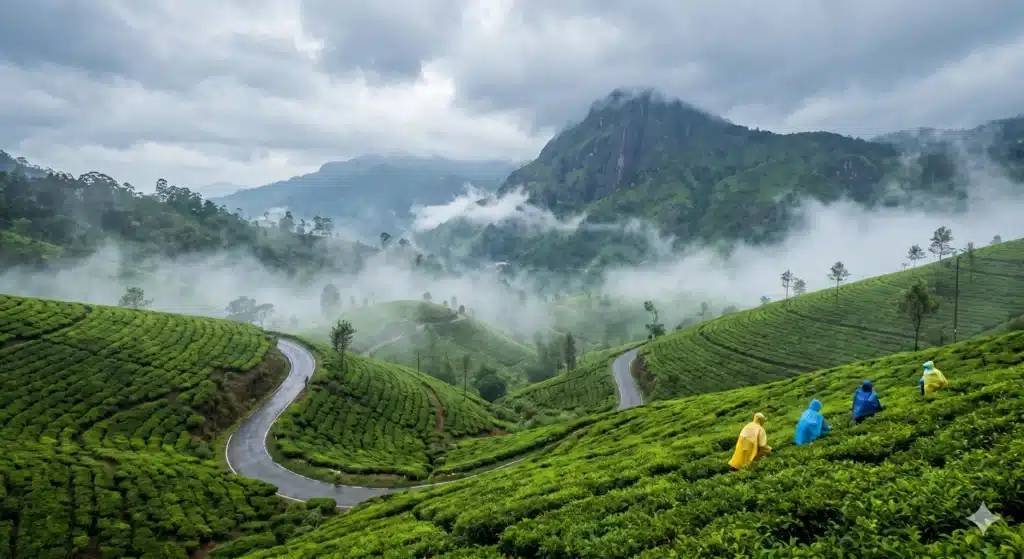
Weather by Season: When to Go Where
Planning your trip successfully requires matching your travel dates with the right geographic region. Here is a detailed breakdown of what you can expect throughout the year.
December to April: The West and South Coasts
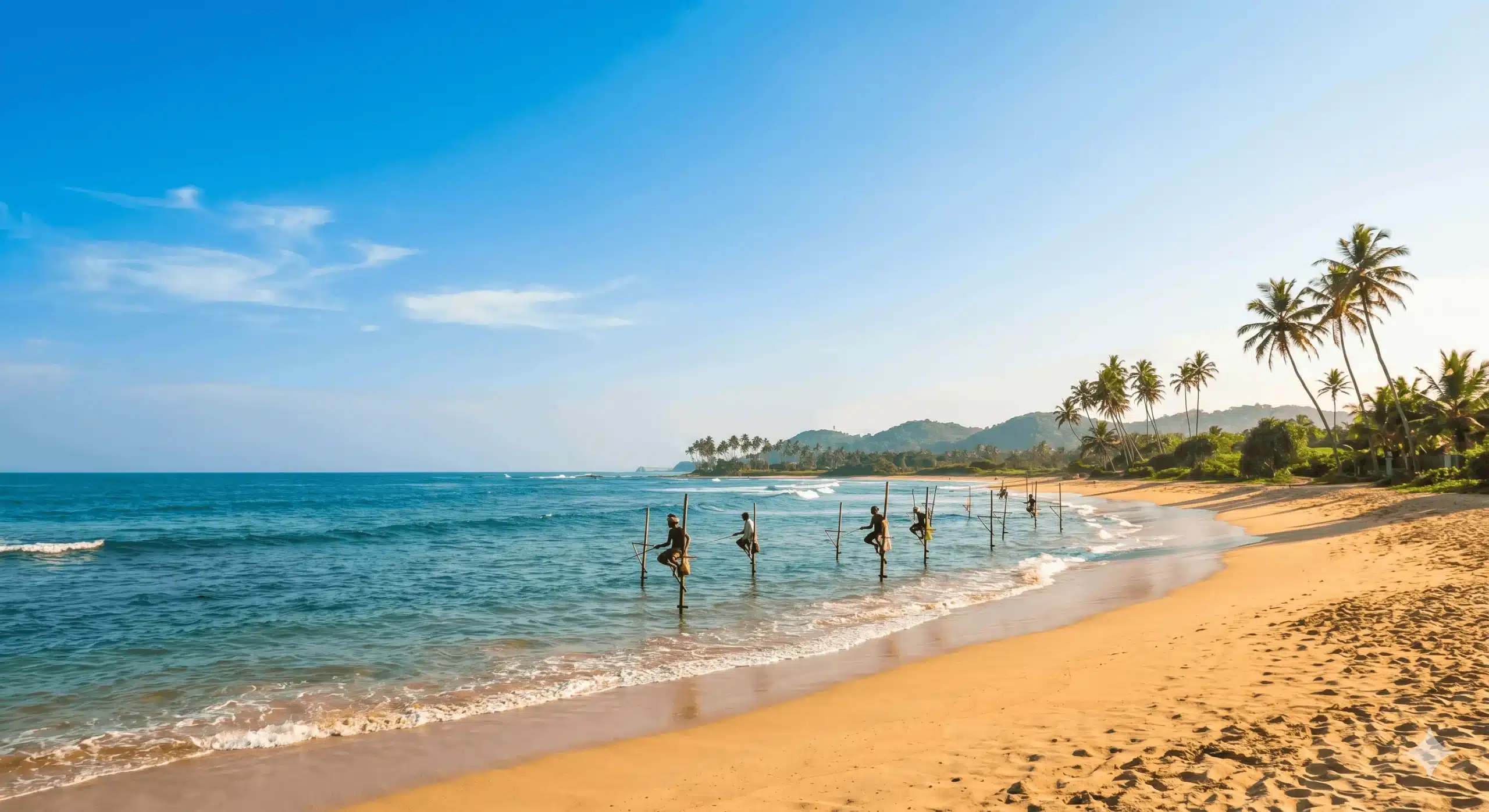
This period is widely considered the overall peak tourist season. The skies are brilliantly blue, and the humidity drops significantly. Temperatures hover around a comfortable 28°C to 30°C along the coastlines. Therefore, this is the perfect window to visit beautiful beaches in Galle, Mirissa, and Bentota. Furthermore, it is the ideal time for booking our Sri Lanka Family Holiday.
You can also explore the central tea plantations comfortably during these months. In Nuwara Eliya, temperatures can drop to a cool 15°C at night. According to the Sri Lanka Tourism Development Authority, this peak season draws the highest number of international visitors. Consequently, you must book accommodations and tours well in advance.
May to September: The East Coast
While the southwest sees heavy rain, the east coast completely comes alive. Beaches like Trincomalee, Pasikudah, and Arugam Bay enjoy hot, dry, and sunny weather. If you love surfing, Arugam Bay offers world-class waves between June and August.
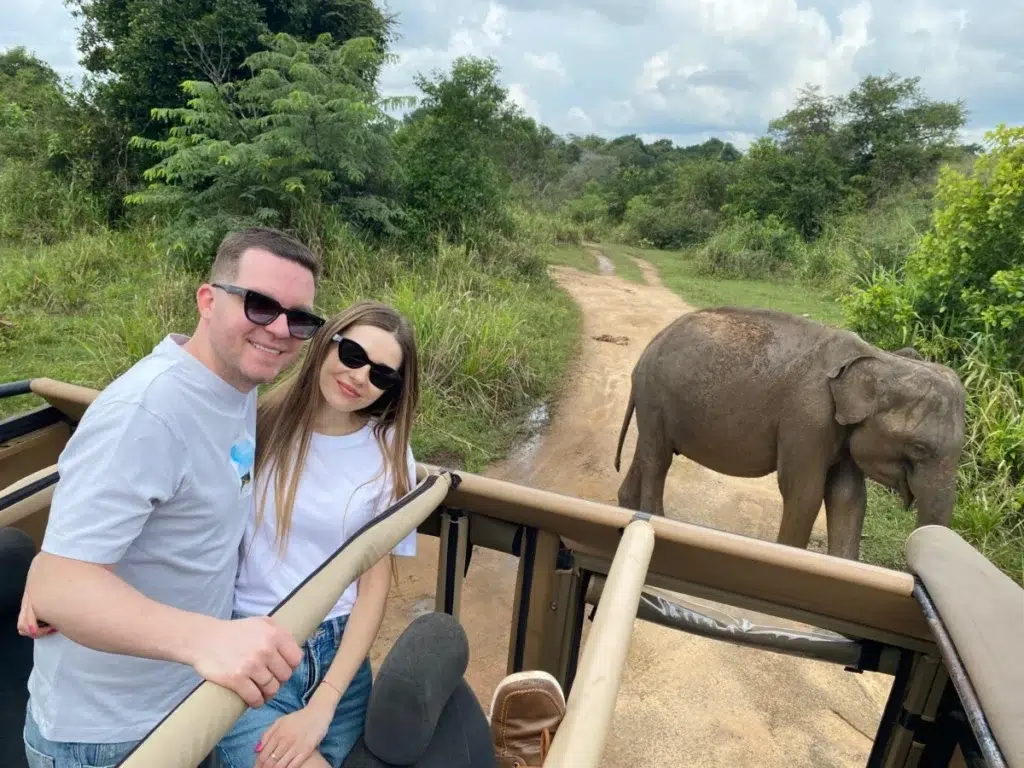
In addition, August is a fantastic month for observing wildlife. For instance, the famous “Elephant Gathering” occurs annually at Minneriya National Park. You can join an exciting Safari Excursion to see massive herds of wild elephants up close. We highly recommend exploring this eastern region for your summer holidays.
Shoulder Seasons: October and November
October and November are known as transition months. The weather can be quite unpredictable, with frequent afternoon thunderstorms occurring across the island. However, the mornings are usually bright, clear, and perfect for sightseeing.
If you travel during the shoulder season, you will benefit from fewer crowds and substantially lower prices. Just remember to bring a lightweight raincoat. It is an excellent time to explore the Cultural Triangle before the busy peak winter crowds arrive.
Top Highlights and Itinerary Ideas
Sri Lanka offers an incredible diversity of travel experiences. Whether you want ancient ruins or relaxing beach days, you can easily build a memorable itinerary.
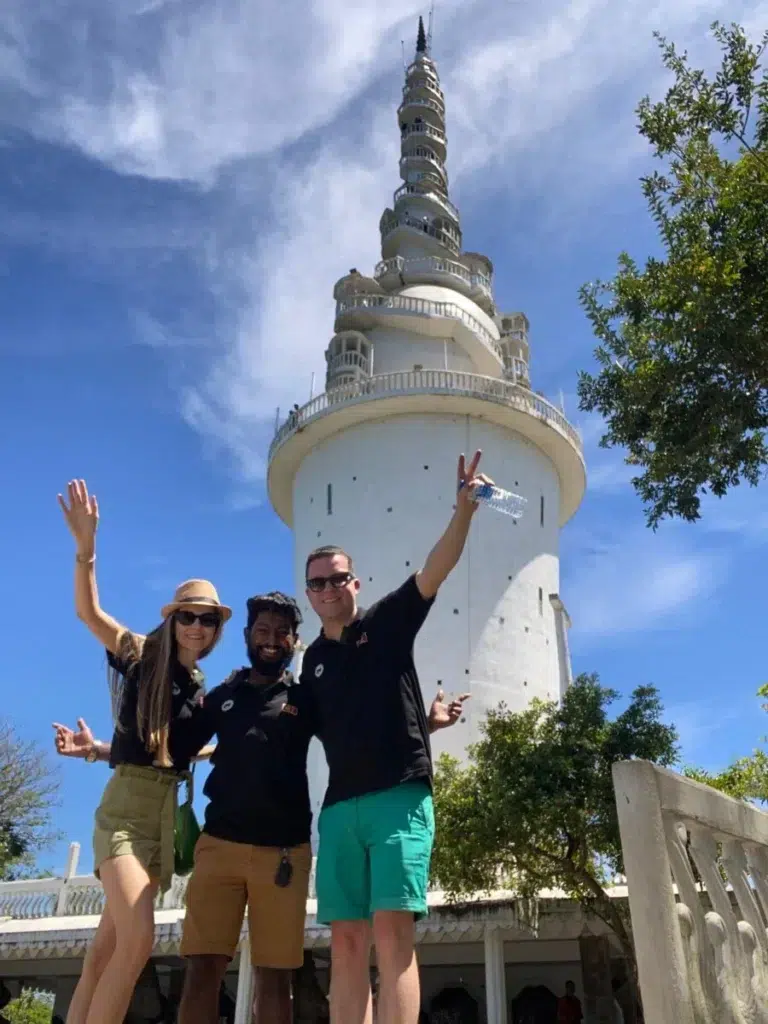
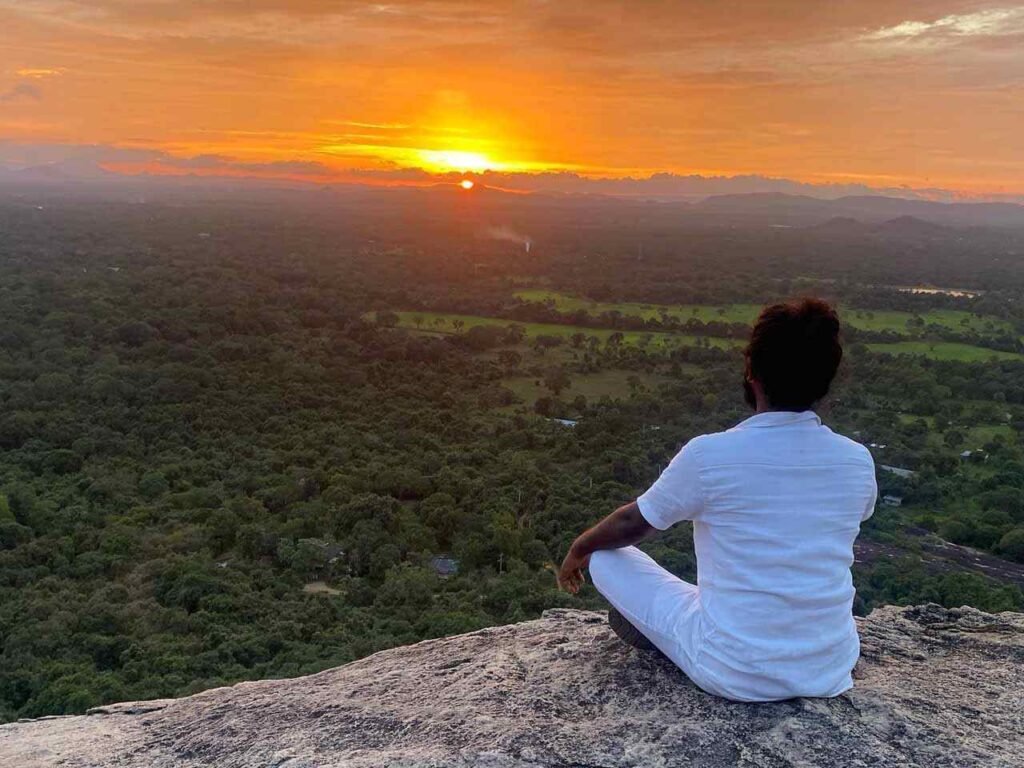
Firstly, culture lovers should thoroughly explore the ancient cities. Sigiriya Rock Fortress and the Dambulla Cave Temple are spectacular. In fact, both are official UNESCO World Heritage sites. You can easily spend three to four fascinating days exploring this historic region.
Secondly, adventure seekers will absolutely love the lush hill country. You can take a highly scenic train ride to Ella and hike to Little Adam’s Peak. Afterward, reward yourself with our guided Ella Day Excursion.
Finally, you simply cannot miss the incredible wildlife. The Department of Wildlife Conservation manages stunning parks like Yala and Udawalawe. Leopards, elephants, and sloth bears roam freely here. Let our expert local guides plan a custom itinerary for you.
What to Pack for the Weather
Because the climate varies dramatically by region, packing smart is absolutely essential. You need clothing that handles both tropical heat and cool mountain breezes.
- Lightweight clothing: Pack breathable cotton or linen shirts and shorts for the warm coast.
- Warm layers: Bring a cozy sweater or light jacket if you visit the hill country.
- Rain gear: A compact umbrella or light raincoat is incredibly useful during transition months.
- Sun protection: High-SPF sunscreen, polarized sunglasses, and a wide-brimmed hat are mandatory.
- Modest temple wear: You must cover your shoulders and knees when visiting religious sites. Always pack a sarong or long pants.
If you plan to hike, sturdy walking shoes are a definite must. Otherwise, comfortable sandals are perfect for everyday exploring.
How to Get There and Get Around
Most international flights land at Bandaranaike International Airport (CMB) near the capital city of Colombo. From there, you have several distinct options for getting around the island safely.
For shorter distances, taking a colourful tuk-tuk is fun and highly affordable. Always negotiate the fare before getting in, or ask the driver for a metered ride. For longer journeys, the national railway network offers truly breathtaking views. Indeed, the train ride from Kandy to Ella is famous worldwide for its beauty.
However, the most comfortable and efficient way to travel is by hiring a private driver. The local roads can be chaotic, and public transport is often overcrowded. With Oura Travel, you can easily arrange private transport with an experienced, English-speaking driver. We ensure your journey is completely safe and stress-free.
Sri Lanka Travel Costs and Budgeting
Sri Lanka is generally a very affordable destination, but costs will vary depending on the season and your travel style. During the peak winter months, hotel prices naturally increase due to high demand.
If you are on a tight budget, local guesthouses and street food offer incredible overall value. A hearty, delicious meal of rice and curry might cost just $2 to $4 USD. Alternatively, luxury boutique hotels and private villas offer world-class amenities for roughly $150 to $300+ USD per night.
When planning your budget, remember to account for necessary entrance fees. Major cultural sites like Sigiriya cost about $30 USD for foreign visitors. National park safaris also require entrance fees and jeep rentals. Booking a comprehensive tour package with a trusted agency can often save you money and hassle.
Essential Travel Tips: Visas, Etiquette, and Safety
To ensure a wonderfully smooth trip, you should keep a few practical details in mind. Sri Lanka is a deeply welcoming country, but respecting local customs remains vital.
Visas and Entry Requirements
Almost all international visitors require an Electronic Travel Authorization (ETA) to enter the country legally. We strongly advise using the official Sri Lanka government e-visa portal to check current fees and apply before you travel. Avoid third-party websites that charge unnecessary extra processing fees.
Cultural Etiquette
Buddhism is deeply woven into everyday Sri Lankan life. When visiting temples, you must always remove your shoes and hats. Furthermore, never pose for a photograph with your back facing a Buddha statue, as locals consider this highly disrespectful. Public displays of affection should also be kept to a strict minimum.
Safety Tips
Sri Lanka is a highly safe destination for tourists, including solo female travellers. Violent crime against foreigners is extremely rare. However, you should watch out for petty theft in crowded local markets. Additionally, always heed local warnings about ocean currents, because some beaches have dangerously strong undertows. With our 24/7 on-the-ground support, you can travel with complete peace of mind.
Frequently Asked Questions
What is the best time to visit Sri Lanka for a beach holiday?
If you want to visit the popular south and west coast beaches, travel between December and April. Conversely, if you plan to surf on the east coast, the best months are May through September.
How many days do I need in Sri Lanka?
You need at least 10 to 14 days to see the major highlights properly. This allows you time to explore the Cultural Triangle, ride the train through the tea country, and relax on the southern beaches.
Is it safe to travel to Sri Lanka right now?
Yes, Sri Lanka is a remarkably safe destination for international tourists. Locals are famously hospitable and helpful. Just practice normal travel precautions, like securing your valuables and using trusted transport providers.
Do I need a visa to visit Sri Lanka?
Yes, most international tourists need an ETA (Electronic Travel Authorization). You should apply online through the official government portal before your arrival. The application process is usually quick and straightforward.
What is the hottest month in Sri Lanka?
April is typically the hottest month across the entire island. Temperatures often exceed 32°C (90°F) in Colombo and the Cultural Triangle. Therefore, it is best to schedule outdoor sightseeing for the early morning or late afternoon.
Start Planning Your Sri Lankan Adventure
Determining the best time to visit Sri Lanka is just the first exciting step. With its golden beaches, ancient temples, and roaming wild elephants, this island offers a trip of a lifetime. Because the weather patterns are so unique, having deep local expertise makes a massive difference.
As one of Sri Lanka’s best travel agencies, Oura Travel is absolutely ready to help. Our dedicated team uses over a decade of local knowledge to design flawless, custom itineraries. Whether you want a romantic honeymoon or a thrilling family safari, we handle every single detail perfectly.
Are you ready to explore the Pearl of the Indian Ocean? Contact us to plan your trip today, and let us create your perfect Sri Lankan getaway.