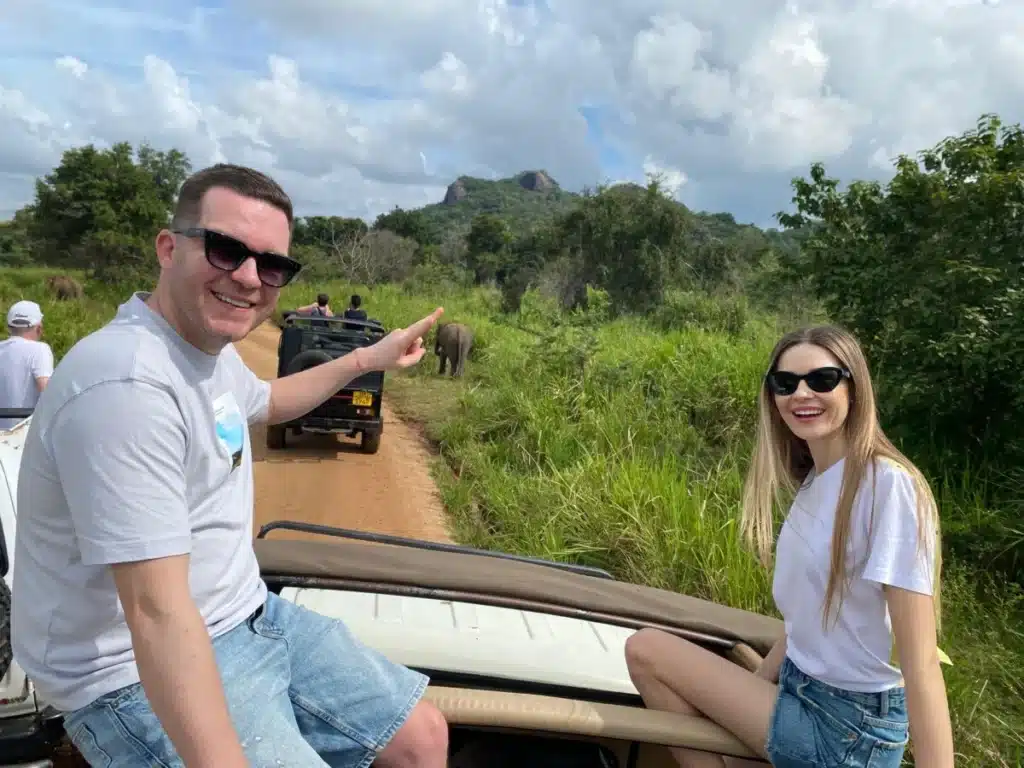
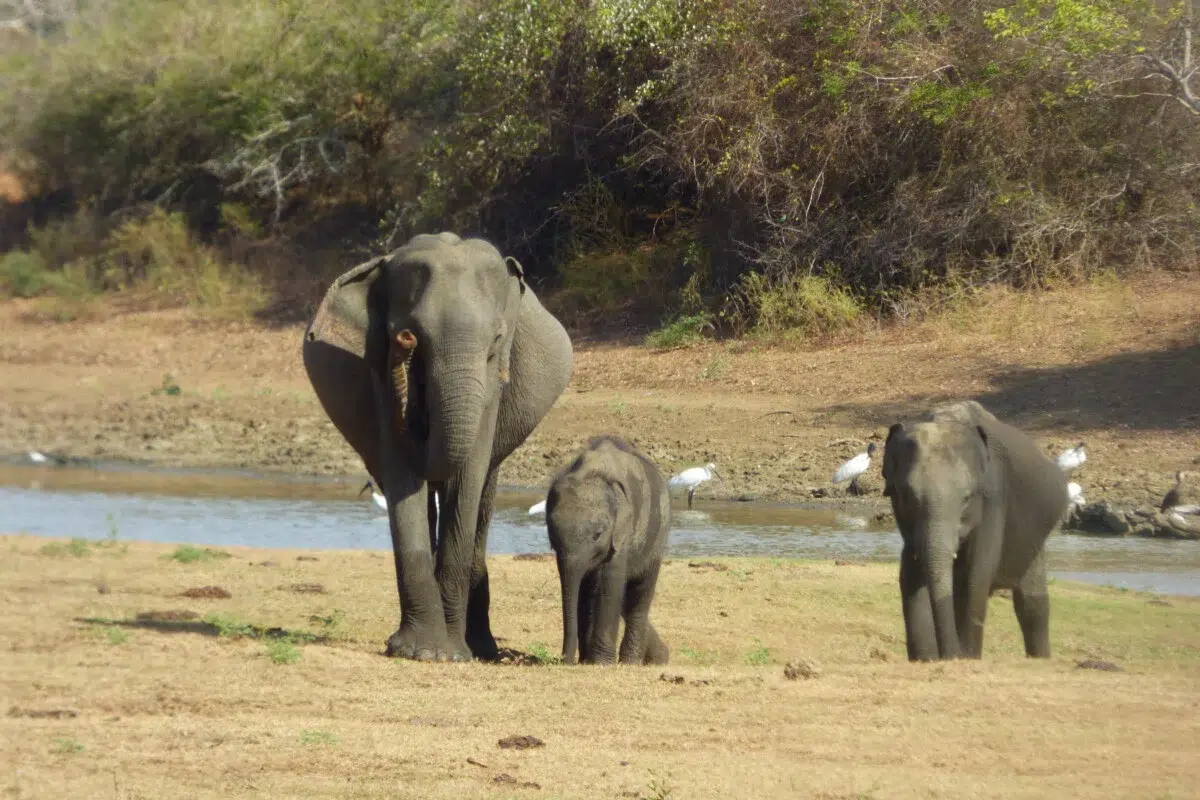
The right Sri Lanka safari depends on what you most want to see. For leopards, go to Yala or Wilpattu. For elephants, Udawalawe works all year, Minneriya is at its best in August and September, and Gal Oya lets you watch them from a boat. Birders should add Bundala.
This guide compares six national parks: what lives there, the months to go and how a safari day works. Almost every safari here is done in an open jeep with a driver. You can go for a half day, starting at dawn or finishing at dusk, or for a full day in the bigger parks. If you’re travelling before 15 October 2026, note that drought has closed Yala’s Blocks 1 and 2 until then.
Key takeaways
- Leopards: Yala and Wilpattu. Elephants: Udawalawe, Minneriya and Gal Oya. Birds: Bundala, which became Sri Lanka’s first Ramsar wetland in 1990.
- Parts of Yala can close in the dry season. Because of drought, Blocks 1 and 2 are shut from 14 September until 15 October 2026 (Ada Derana).
- Minneriya’s elephant gathering is biggest in August and September, and Wilpattu’s popular months run from February to October.
- Go early or late in the day, book a private jeep if you want to set the pace, and never ask a driver to crowd an animal.
The six parks at a glance
| Park | Best for | When to go |
|---|---|---|
| Yala | Leopards, elephants and sloth bears | Most of the year; check for dry-season closures |
| Wilpattu | Leopards and quieter drives | February to October |
| Udawalawe | Elephants | All year |
| Minneriya | The elephant gathering | August and September |
| Bundala | Water birds and flamingos | The northern winter, when migrants arrive |
| Gal Oya | Boat safaris and swimming elephants | Outside the Maha monsoon (October to January) |
Six national parks for a Sri Lanka safari
1. Yala National Park
Yala, on the south-east coast, is the park most people picture when they think of a Sri Lanka safari, and it’s the best known for leopards. A drive can also turn up elephants, sloth bears, crocodiles and water buffalo, though nothing is ever guaranteed. Most jeeps head for Block 1, the busiest section. Check dates before you book, because the busiest blocks can shut in a dry spell: Blocks 1 and 2 are closed until 15 October 2026. Our Yala safari guide explains the blocks and best months, and getting to Yala covers the drive.
2. Wilpattu National Park
Wilpattu, in the north-west about 30 km west of Anuradhapura, covers 1,317 square kilometres. Nearly 106 lakes (villus) and tanks are spread through it, visitors can reach about a quarter of the park, and February to October are the popular months to go (Wikipedia). A 2021 leopard study in the Journal of Zoology describes Wilpattu as Sri Lanka’s largest protected area (Kittle and others). Leopards and sloth bears are the big draws, and the drives feel quieter than Yala’s. The park is large, so a full day gives you time to reach the lakes further in.
3. Udawalawe National Park
Choose Udawalawe if elephants are the priority. The reservoir at its heart attracts them, and a herd of about 250 is believed to live in the park all year, according to Wikipedia. Beside the park is the Department of Wildlife Conservation’s Elephant Transit Home. It takes in young elephants that have lost their mothers, raises them to weaning age and then releases them into a national park (Born Free). Feeding time at the Transit Home is an easy stop after a morning drive, and our elephant orphanage guide compares it with Pinnawala.
4. Minneriya National Park
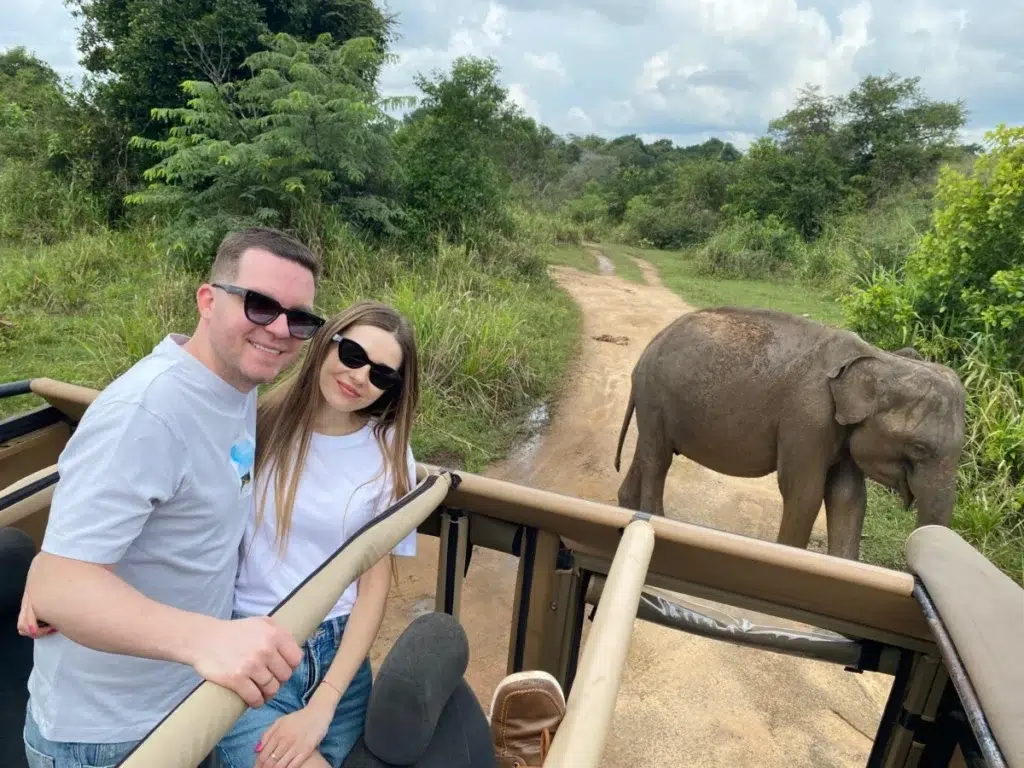
Minneriya is where elephants gather in numbers. In the dry season, herds move in to graze and drink around the Minneriya tank, and Love Sri Lanka says as many as 300 can be seen at the reservoir. The best months for the gathering are August and September, and afternoon drives from 3pm to 6pm give the best chance of a big herd (Love Sri Lanka). The park sits on an elephant corridor between Kaudulla and Wasgamuwa, close to Sigiriya, so it fits easily into a stay among the ancient cities of the Cultural Triangle. For timing and jeep options, see our Minneriya safari guide.
5. Bundala National Park
Bundala, on the south-east coast, is the birders’ park. Its lagoons became Sri Lanka’s first Ramsar site, a wetland of international importance, in 1990 (Ramsar Sites Information Service). It’s an internationally important wintering ground for migratory water birds, greater flamingos arrive in large flocks, and a few wild elephants and two species of crocodile live here too (Wikipedia). Bring binoculars and go early.
6. Gal Oya National Park
Gal Oya, in the east, protects the main catchment of the Senanayake Samudraya, the largest reservoir in Sri Lanka. Its rain falls mainly in the northeast (Maha) monsoon, and Bird’s Island in the reservoir is a nesting site for birds (Wikipedia). The boat safaris on the reservoir are the reason to come: our Into the Wild tour takes an evening boat trip as the sun sets, when elephants often swim between the small islands. It’s a long way from the main tourist routes, so plan to stay nearby rather than visit on a day trip.
How a jeep safari works
You go into the parks by safari jeep with a driver. Park permits can be bought at the gate or reserved in advance through the Department of Wildlife Conservation’s permit eService. Charges vary by park, group size and vehicle, and paying online adds a convenience fee. Morning drives start around dawn and afternoon drives finish near sunset, which is when animals are most active and the light is softest. A private jeep costs more than a shared one but lets you decide how long to wait at a sighting, which matters with children or a camera. Our Safari Excursion covers a private jeep and driver in Udawalawe or Yala, with an early pick-up from your hotel.

What to bring and how to behave
- Binoculars, a hat, sunscreen and plenty of water. Neutral colours stand out less than bright ones.
- Stay seated and keep your voice down when animals are close.
- Never feed the animals, and don’t ask your driver to crowd or chase them, even for a leopard photo.
- Take all your rubbish out of the park with you.
Safari questions
Which is the best national park for a safari in Sri Lanka?
For a first safari, Yala gives you the best chance of a leopard and a good mix of other animals. Its Blocks 1 and 2 are closed until 15 October 2026, though, so choose Wilpattu for leopards before then. If elephants matter more, choose Udawalawe, or Minneriya in August and September. Wilpattu suits people who want quieter drives, and Bundala suits birders.
When is the best time for a safari in Sri Lanka?
Pick the park by the month. Minneriya is best in August and September, Wilpattu from February to October, and Bundala during the northern winter, when the migratory birds are in. Udawalawe’s elephants are there all year, and Gal Oya is best outside the Maha monsoon, which our Sri Lanka weather by month guide dates from October to January. Yala is open most of the year, but Blocks 1 and 2 are closed until 15 October 2026, so check before you book.
Is a safari a good idea with children?
Yes, especially a half-day drive, which is long enough for most children. Our guide to things to do in Sri Lanka with kids covers the gentler wildlife options too.
Plan your safari
To combine several parks in one trip, our Into the Wild wildlife tour takes in Wilpattu, Gal Oya, Yala and Sinharaja with a chauffeur-guide who specialises in wildlife.
We checked park details, closures and permit services against the linked sources on 27 September 2026. Closures change from year to year, so confirm dates before you travel.